>Revisiting LDN and Implementing What We Learn

>When we consulted with Dr Jeff Bradstreet in November, both the girls were frequently ill. Looking at our then protocol, he advised us to stop LDN as it acted as an immune suppressant in both girls.

Looking back over my previous conference notes from Dr Jacquelyn McCandless presentation in Hong Kong last year, I realized where we went wrong with the LDN. She emphasized that the immune benefits of LDN will only work whilst on a strict GFCF diet. And as you know, we are no longer as strict nowadays with the diet. Chatting with a friend regarding LDN recently, she noticed no changes positive or negative for her child whilst on LDN. Even though she is extremely strict on the diet. Whereas I saw lots of affection and social gains on LDN but didn’t do well for their immune system. And as you know, my husband Paul was on LDN too and he too did not notice any improvements, neither did he fall ill. It goes to show, that everyone will react differently to a supplement.

It also served a valuable lesson to me, reminding me to not only research a new treatment or supplement thoroughly, I also had to remember to actually implement what I learnt. No point going to all those conferences and reading all those books if I didn’t apply what I learnt properly.

It also served to remind me that in trying to heal my children, there is always a risk associated with any medical treatment, be it mainstream or alternative. There are always side effects and interactions with other drugs or supplements. Always consult with an experienced integrative care medical doctor especially when you are doing Tier 2 and Tier 3 protocols. There are many brave parents out there who choose not to work with a doctor, many of them do well and some don’t. If you choose not to work with a medical doctor to manage your child’s biomedical treatments, then always be vigilant with the safety of your protocol and be mindful of where you get your information from. For these parents, I strongly encourage you to attend an international biomedical conference. The Autism Research Institute’s ARI Conference (previously known as the DAN Conference) in Spring will be held in April 2011 in Atlanta, USA and the Fall Conference will be held in October 2011 in Las Vegas. Please visit www.ariconference.com for more information. The Autism One conference is held yearly in Chicago in May. Please visit www.autismone.org to learn more. There are also other biomedical conferences held worldwide.

For parents who are doing Andy Cutler’s chelation protocol, affectionally known as the AC protocol, if you do not have a medical practitioner to monitor your child’s protocol, Andy Cutler is a frequent speaker at the Autism One Conference. Chelation is a Tier 3 treatment that requires care and extensive knowledge to implement safely. And please join his Yahoo Group forum.

I encourage you to join support groups, organizations and forums that believe that Autism is not just a psychiatric disorder and that Autism is treatable. I value the advise and guidance of a trusted and experienced Biomed doctor, but for those who choose not to, do make sure you know what you are doing. A reminder to myself to keep learning, remember to implement what I learnt, listen to my instincts and always prioritize safety and care when implementing biomedical treatment. For parents in Asia, please join the KL Biomed group at http://health.groups.yahoo.com/group/klbiomed/

Good luck to all the Warrior Mums and Dads out there, my comrade in arms. Though our children and our treatment methods all differ, we are all parents. We do what is best for our child, in the manner we feel is best. A couple of years ago when discussing the stress and pressure that Autism brings to the family, someone expressed their sympathy to me and mentioned the burden it must be to raise a child with Autism. My momentary bout of self-pity flew out the window immediately when I raised my head and said “My daughter is not a burden. It is a privilege to be her mother.” And since then, I have never felt regret, self-pity or guilt. It is indeed a privilege to be Maya and Yasmin’s mum. 

>MB12 and Pavlova…..

>

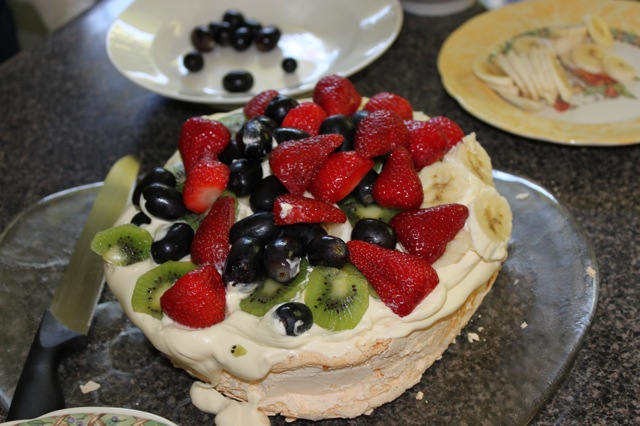
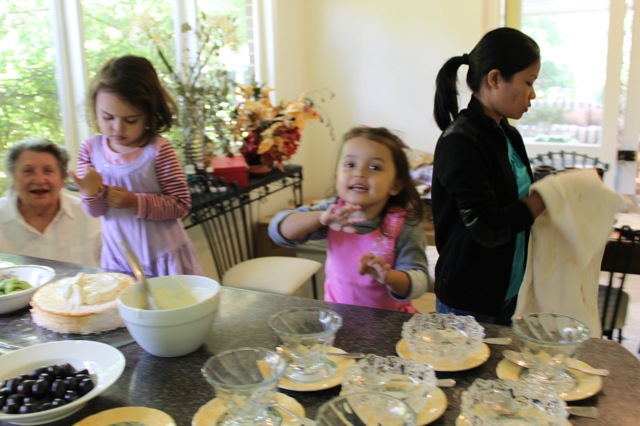
Bubushka teaching the girls how to make Pavlova

Methyl B12 is definitely one of my most favorite treatments for Autism. You can read about our experience with MB12 here. However, that was written in 2009, since then our experience with MB12 has evolved.

There are many forms of B12 therapy to choose from, different types of B12 can come in oral capsules, nasal sprays, patch and even lollipops. In biomedical treatments, we use the methylated form of B12, also known as methylcobalamin ie. methyl B12 or more commonly known as MB12. Choosing MB12 injection over the other forms were easy for me and my husband. We had learnt enough to know that MB12 shots is our choice for Mei. We couldn’t wait to start MB12.

How you choose to do B12 therapy is based on your child’s unique medical issues as well as other personal reasons. Please discuss with your Biomed doctor and read up more on MB12 therapy. Whether you choose to purchase it in vials, pre-filled syringe, oral, patch, nasal spray or lollipops, please make sure you’re choosing it for the right reasons rather than because your doctor or supplier only carries a certain type thus discouraging you from trying another form because they may not have stock of it and is more concerned about loss of revenue rather than what is best for your child. Take note that MB12 injections are prescription only treatments and can only be ordered by a medical doctor from specialist compounding pharmacies. Discuss with your doctor about the different types of MB12 shots, whether it includes preservatives or not. Some children cannot tolerate the preservatives in MB12, check with your doctor whether he can order preservative-free ones. My girls have no issues with the preservatives though some kids are quite sensitive to it. You may even discuss with your doctor if it’s possible to order MB12 compounded with folinic acid which some parents are already doing. I have not tried this new cocktail (yet!) so I can’t comment on it’s benefits.

Previously, I have never held a needle syringe in my life, and now I’m expected to inject my baby with it? And I have to do it every 3 days? Ironically, I was the one who was begging my doctor a few weeks later to increase the dosage, then to increase the frequency.

Fear of giving injections – many parents when first starting Biomed and hearing about MB12 have strong feelings against giving the shots. Yes, it is extremely nerve-wrecking the first time I had to do the shot. Hubby was holding on to Mei who was screaming and struggling mightily. He thought he had the harder job, whereas I thought he had the easier job.

It took a lot of practicing injecting on an orange before I did it on Mei. We tried on apples and even bananas, but found oranges were more ‘realistic’. We’ve even accidentally injected each other. Mei squirmed so much and never kept still. It was a terrible experience, she screamed on and on and it took us half an hour to calm her down afterwards. The first few shots were awful, but after that it got easier and easier. We found more effective ways to keep her still and the fastest ways to console her. We realize the thought of the injections was scarier to Mei rather than the pain of the injection itself. Mostly because of how we held her in a vice grip, and she could sense our own fears and nervousness.

Mei following Bubushka’s instruction carefully

When done well, the pain would sting like an ant bite and would go away in one minute. We’ve been doing it for nearly 2 years now and we do it every 2 days. Now I just calmly tell her it’s time for her injection, she’ll whine and protest but she will comply. Most times, Mei will bend over for me against the sofa, she will complain and fidget at times, she’ll tell me it hurts but she’ll forget about it a minute later. She hates the cold surgical swab just as much as the injection. When I run out of our preferred needles, it’ll hurt a little bit more. We are more adept at doing it though at times we still botch it up. At times there’s a red mark or a tiny dark bruise afterwards if we injected too deep. Paul and I take turns to give her the injection, both of us have our preferred methods.

We are told to do a shallow subcutaneous injection at 30 degree angle or less into the upper outer quadrant of the buttocks. Say what?? Now, it’s easy as pie. Holding the syringe with my thumb and middle finger, then using my 2nd finger to push the plunger gave me the best control and allows me to do a shallow angle. Many of us have the opportunity to have our doctor to show us how to do the first shot on our child. For some, this may not be possible especially for many of us who consult with overseas doctors and are not able to bring our children to the doctor frequently.

You can find many uTube videos on how to give Mb12 injections, from doctors giving you full length explanation to parent’s videos of how they administer the shot to their child. If you are new to MB12, remember that practice makes perfect. Some parents take their children to their local doctor regularly to have the shot administered. Personally, the time and hassle of loading up the kids, get them in the car and drag them kicking and screaming to the Doctor’s clinic because they know they’re gonna get an injection is too much of a hassle. Personally, I’d rather inject them myself at home. However, this is a personal choice, ultimately it really doesn’t matter who administers the shot, as long as it is done well and consistently. In certain Asian countries, you can only do MB12 injections at the hospital or clinic, local health regulations do not allow parents to do it themselves.

Previously, MB12 was hard to obtain in Malaysia, we had to go specially to Singapore or via our other biomed doctors to get it. But now you can order MB12 shots with our Malaysian biomed doctors, please contact them directly if you do not have a biomed doctor already and are interested in trying MB12.

Some parents are very opposed to doing injections because of the needle and pain factor, but I look at it this way – if my child was diagnosed with diabetes and required frequent insulin injections, the same thing applies. It is something that as a parent I have to overcome my fears for the sake of my child. The first couple of months is hard, but soon you’ll be injecting like a pro. Pretty soon your new Biomed friends will be begging YOU to do the injection for their child:-) Nonetheless, whether you choose MB12 shots is a personal choice depending on many factors. The ability to do the injections, our own fears, the horrific struggling by our children, parents who travel often and cannot or should not entrust the caregiver with administering shots and many other factors to consider. You will find which forms of B12 is best for your child.

The finished Pavlova – contains eggs and cream

Many children’s Organic Acid Test (OATs) result usually show high levels of B12. A frequent question is why do we still need to do Mb12 shots when the B12 levels are so high? Many Biomed books and web articles will give you a detailed scientific explanation, however this is mine in layman’s Mummy’s terms-

From my understanding, many kids have high levels of B12 in the OATs, but the issue in some kids in Autism is that they are not able to convert it into the methylated form. That is why we still have to give MB12 shots, because it is the methylated form of B12, not plain B12. All the B12 derived from food sources in our children  are not being converted and utilized properly, just going round and round but it’s not really doing the job it should be doing. It’s a biochemistry issue that many of our kids have. MB12 in Autism is a methyl donor, an important component in the methylation cycle.

So yes I would do the MB12 shots regardless of the high levels reported in the OATs, especially if you see improvement. Even if you don’t notice obvious improvements, take note if there is regression when you stop. Always remember, test results are only a guideline. However it is the improvements or regressions that you observe that is the true measure of whether a treatment is effective or not.

Some parents find MB12 injections show no improvements or changes in their child even after a few months, these children are usually referred to as non-responders. In my limited experience, it usually came down to a few reasons;
1. Dosage- perhaps the dosage is too low? Discuss with your Biomed doctor on this. One of the beauties of using vials is that you have the flexibility to change the dosage. I recommend consulting with a doctor before you increase the dosage yourself.
2. Timing- many parents choose to do the injection at night when the child is sleeping, thus making the injection easier. In my opinion, the main benefits would have worn out by the morning. I prefer to inject in the morning, this way I can observe the benefits immediately.
3. Oxidative stress- some children are non-responders to MB12. It is now believed that it is due to high oxidative stress for some children. For these kids, perhaps it’s best to stop MB12 for a while and concentrate on lowering the oxidative stress first. Perhaps later on, MB12 will show significant benefits. Please discuss this with your doctor.

So in some kids, the MB12 will not give you the WOW! results we hear about. Until you lower the oxidative stress, the improvements on MB12 will be limited. Just because for now Mb12 doesn’t give you the amazing results you hope for, doesn’t mean it may not happen when you reintroduce it at a later date, when the body is prepared and ready for it. Mei had very high oxidative stress initially, we worked on it for a few months before we introduced MB12 and we saw immediate improvements.

We did MB12 injections on Min Min too, however unlike her sister, Min Min was a non-responder. We tried different protocols, worked on her super high oxidative stress levels and her other issues and reintroduced MB12 again several times. We did not observe any positive improvements nor any regressions, so eventually we decided to stop and conclude that MB12 is not an important part of her treatment.

“Protocol matters!” – Dr Neubrander, World Autism Congress Hong Kong, May 2010.

We all started on Dr Neubrander’s dosage and protocol of every 3 days. However, remember that it is always child specific. So, if you start to notice that the benefits or effects or MB12 wears off on the 3rd day, discuss with your doctor about increasing the frequency to every 2 days. With the help of my doctor, I have tried different dosages and frequencies and finally found the optimum protocol that suits my child best. I am blessed with doctors who are open to different protocols and dosage, fully embracing the first thing they learn at biomedical conferences- that there is no one size fits all.

Some side effects may be expected –

Pink Urine – we are all familiar with the pink urine. This is usually the first urine after the shot. If the urine is still pink even after several wee wees in the day, then the dosage may be too high, please consult with your doctor. What if there’s no pink urine? Err….. Ask your doctor:-) In my highly unscientific opinion, either the child is absorbing all the Mb12 well or possibly the dosage is too low. However, the pink urine is not an indication of optimum dosage. Behavioral, cognitive or speech improvements is your guidelines.

You may notice increased hyper activity in some children. Folinic acid will usually help with hyperness on MB12. Some children experience increased mouthing, this is also a common side-effect. MB12 increases sensations and awareness in the mouth and lips. Most parents reports that the side effects will last 6-8 weeks. However, again discuss with your doctor as to the cause of the behaviors or any issues you are concerned about.

I’m hearing more and more parents are doing MB12 shots for themselves, though it’s mostly the husbands doing so. Yes, at times I give Hubby an injection when he feels he needs a boost. He has more energy, feels clear-headed, his mind is sharper, his problem-solving skills are faster and has better concentration. Other fathers report that they feel happier, work seems easier, less stressed and is in a good mood. I know of husbands who request for an MB12 shot from their wives when they have a super-stressful day at work to look forward to. You’ll find that many Daddies are also our guinea pigs when trying out a new syringe. They give us the thumbs up on which needles are good. And give valuable feedback on certain needles which hurts like hell. Thank you to the Warrior Dads who give it up for science:-)

Though MB12 when administered by injections are considered to be the most effective based on parents’ and researchers’ feedback, please remember that one size does not fit all. If you are currently doing oral or patches and you are happy with the progress, then I say go for it. However if you have the chance to try MB12 injections, it’s always good to see if it may or may not improve your child’s condition. We have been doing MB12 shots on Maya for nearly 2 years now. Though we no longer notice much improvement anymore, whenever we miss the shots for up to 1 week, we start to notice some slight regression, mostly in fine motor skills. For now, we are happy to continue with MB12 du
ring this phase of managed recovery.

These photos were taken when we were on holiday in Australia, we never missed giving a shot even when travelling. In case you were wondering, the photos have nothing to do with MB12 directly. The girls’ great-grandmother Bubushka (means grandma in Russian) is teaching the girls how to make a traditional Aussie dessert – Pavlova, a mouth-watering concoction made with egg-white meringue, cream, sugar and summer berries. A couple of years ago, the thought of Mei learning how to do this under the supervision of her Russian great-grandmother wouldn’t have been possible.  But thanks to MB12 as part of our biomedical treatment, we now have these wonderful moments to capture and memories to cherish.

>Informed Consent & Safer Vaccinations….

>

Carols by Candlelight, may 2011 be brighter

When both my girls were born, I followed all the advice given by my pediatrician and the baby books I had devoured on good parenting. Rain or shine, in sickness or in health, I made sure they got their shots on time. I followed the Australian and Malaysian vaccination schedule, believing that this ensured my children from contracting preventable diseases in Asia as well as in the western world. I also wanted to play my part in public health and herd-immunity.

My eldest daughter Maya received all her vaccinations from birth; I remember the Vitamin K jab on the sole of her foot when she was barely 5 minutes old. The Hep B jab when she was 3 days old whilst we were still in the prestigious Sydney hospital. And the booster shot 3 weeks later. I would go in to see the pediatrician when Maya was still on a yet another course of antibiotics or with another round of horrible rashes, yet I still held her down to receive yet another vaccination that we were assured would prevent her from getting anymore illnesses. Some we got in Malaysia and some in Australia. I kept meticulous records of each vaccination, I obtained the name and batch number of each vaccine given and got the doctor’s signature and date. 

The BCG shot is part of the Malaysian vaccination schedule, not in Australia. We all live with the BCG shots which were notorious for scarring many Asian women with it’s tell tale raised keloid scars on our left shoulders, so I opted to have it done on her little bottom instead. At that time, my biggest worry was for Maya to have an unsightly scar on her shoulder when all the other Australian kids didn’t have any, fearing the scar would brand her as different. Yes, that was our biggest worries then. 

At the same time, she received her MMR shots. Maya was also recovering from the flu at that time, she was on Panadol and flu medication. I signed the consent form without bothering to read it, thinking that I knew all I needed from the baby books which never mentioned the side effects or risks from vaccination. My ignorance of safe vaccination was apparent, I relied wholly on one source of information. 

The multiple load of viruses and heavy metals on a tiny human being who was ill, with a lowered immunity from fighting off the flu virus, could not withstand the multiple new viruses and toxic heavy metals. The Panadol we administered beforehand to spare her the pain of the jabs, what a load of crock! The shots were painful, no matter how much Panadol you give, especially the BCG shot. Not only that, Panadol (paracetamol) also lowers our glutathione levels dramatically. Glutathione being the mother load of our methylation pathways and detox system, is crucial. So administering a vaccine when severely depleted of glutathione leaves the body with virtually no defense against the assault. 

From birth, Maya developed normally and hit all her developmental milestones on time. She said her first word when she was 9 months old, by the time she was 1.5 years old she had a large vocabulary of at least 200 words. She could count from 1 to 20 and could recite the alphabet from A to Z, even backwards. She walked on the day she turned 12 months old. She was engaging, sociable and we have many videos to validate this. Her future was bright. 


Health wise, Maya had lots of rashes intermittently, prone to colds and flu and have been on several rounds of antibiotics by then. She used to have terrible colic, reflux and would cry for hours at night as a baby. How no doctor ever even considered that this was partly related to an intolerance to dairy and wheat makes me question their commitment. We were never told to give Probiotics after every round of antibiotics. Though never did it even crossed my mind that vaccines would play a part until years later.


When Maya was 1.5 years old, she received what was to be her last and final vaccination. The Meningococcal C is part of the Australian vaccination schedule, it is not available in Malaysia. We were living in Sydney at that time, I had just given birth to Yasmin so Paul took Maya to the local health center for her shot.

Climbing trees and lovin’ it!

We came back to Kuala Lumpur shortly after that and Maya slowly regressed after the Meningococcal C vaccine. She became withdrawn, lost many of her skills, she spoke less and less. She never progressed to constructing sentences even when her peers were already speaking well. She started having outrageous tantrums, meltdowns and horrible mood swings. However we assumed it was due to having to adjust to having a new baby sister who took up all our time and attention. Even through the haze of my post-partum blues, I was still concerned by Maya’s behavior and chronic constipation. When we brought it up to our pediatrician, we were assured that this is temporary and merely a behavioral tactic to  get our attention. Yes, the doctor even blamed the constipation on it. I mean, seriously? I must have been completely naive to fall for that line. 

Maya did not acquire any new skills for the next 1 year, she missed many developmental milestones and her behavior was more and more uncontrollable. Maya developed repetitive stimulatory behaviors such as staring out of the corners of her eyes, walking on tip toes, spinning in circles, she very rarely made eye contact, she was licking and mouthing objects constantly. She didn’t know how to play with toys, crowded places, certain noises and flashing lights were unbearable to her. Predominantly, she developed severe echolalia, where she would repeat certain words and sentences out of context again and again and again. She had no effective means of verbal or pre-verbal communication, except for screaming and crying. She would wake up in the middle of the night, either crying inconsolable or giggling inappropriately by herself for 2-3 hours. 

I started researching on all possible causes of Maya’s regression. The word Autism popped up as well as many other behavioral diagnosis. Yet, Autism struck a chord in me and I researched more into it. I questioned many pediatricians,  even asking outright if Maya has Autism. Many doctors said no, some even laughed condescendingly at me saying that I surfed the internet too often. Most doctors dismissed Autism because Maya did not flap her hands, because she still could say some words though out of context and she made very fleeting eye contact. Surely they should know that Autism is a spectrum, hand-flapping and total lack of speech is not the predominant diagnostic criteria for Autism. 

 When I replied that if it’s not Autism, what was it then? They didn’t have any answer for me. Dissatisfied by their response, I kept going until I found not 1, but 3 Malaysian doctors and professionals who finally diagnosed and confirmed Maya has Autism Spectrum Disorder in June 2008. Maya was 2y8m then, her future seemed bleak indeed. 

Fast forward 2 years later, with a combination of intensive biomedical treatments according to the Defeat Autism Now! Protocol and Applied Behavioral Therapy, Maya officially lost her diagnosis of Autism. As of June 2010, Maya is now recovered. To read more on Maya’s recovery, please read my blog www.mayaviktoria.blogpost.com Maya is now 5y3m, attending a mainstream kindergarten, she is no different from her other neuro-typical peers. Her future is bright again.
 
Maya was diagnosed with Autism when her little sister Yasmin was 1y3m. By that time, I had already read many accounts of the Autism and vaccinations link. Yasmin received all her vaccinations beforehand however, I stopped vaccinating her just before she received her MMR even though our pediatrician were pressuring us to give Yasmin the MMR jab. Even though at that time I had raised the possibility of Maya having Autism as well as vaccinations being one of the causative factors. Not only did he scoff at the idea of Maya having Autism, he adamantly stated that vaccinations are completely safe. If I had given Yasmin more vaccinations, she would have fully developed into Autism too.

Prior to vaccinating our children, every parent should read the accompanying literature closely before we sign the consent form. In many countries, doctors can only administer vaccinations upon a signed consent from the parent. Though how well it is practiced in Malaysia and other Asian countries, I am not sure. Read the list of ingredients whether it contains thimerosal (mercury being the 2nd most toxic element in the world), aluminum and other ingredients. Never vaccinate when your child is sick, has a fever, just recently recovered from an illness, is on antibiotics or certain other medications. It is not recommended to give Panadol (Paracetamol) also marketed as Tylenol (Acetaminophen) in the USA prior or after a vaccination, remember the importance of Glutathione. 

It is claimed that thimerosal has been taken out of the controversial MMR shot, however this mostly applies to developed nations such as the USA, Australia and the UK. Maya rceived her MMR in Malaysia. Many believe that old stocks of the thimerosal-containing vaccines have been shipped instead to developing countries such as in Asia. It is said that even several years after the manufacturers have pulled these vaccines off the shelves in America, the children in Asia and other developing nations are still the recipient of these rejected vaccines. Consider delaying the MMR until your child has hit certain milestones such as cognition, speech, walking and other developmental skills. In certain countries, you can request for single shots rather than the combined 3 in 1. Mercury-free vaccines are available in certain countries. It is my hope that soon it will be widely available in Asia too.

Take note that the flu shots and the H1N1 shots still contains thimerosal. My 2nd daughter regressed after contracting the Rotavirus infection and was hospitalized for 3 days. But a friend’s son regressed after receiving the Rotavirus vaccination. Another friend’s son received the Rotavirus vaccine, but was still severely infected with the virus months later and ended up hospitalized for 2 weeks.  So, 3 different  children, 3 unique outcomes. As a parent, how to choose whether to run the risk of infection or the risk of the vaccination? The quintessential Catch-22 situation….

Consider if vaccinating against Hepatitis B is indeed necessary, it is commonly transmitted through sexual contact or contaminated syringes and needles amongst drug addicts usually. Most children already acquire immunity from their mothers. This can be tested, check with your doctor prior to vaccination. Consider your lifestyle and the environment your child lives in and whether you think the risk of the supposed virus or infection far outweighs the risk of the vaccination. If your child develops symptoms, illness or seizures so
on after vaccination, please consult a doctor immediately.
 

For expectant mothers, do not vaccinate yourself when you are pregnant. If you have dental amalgams (which is partly mercury) please have them removed safely prior to pregnancy. It is not recommended to do this whilst pregnant as you run the risk of reabsorbing the mercury into your body and your unborn baby during the process. 

It goes without saying, that I did not do any of these supposedly sage advice. I jabbed without question, without research nor hesitation. But we now live in an era where Autism is 1 in 99 as per quoted by the Autism Research Institute. The rules have changed in parenting, so keep up with the times everyone. We have been blessed with Recovery for Maya, Autism was a long and dark tunnel, with no light in sight. It took us many months and years, I hope that you too will find a way out of that tunnel.


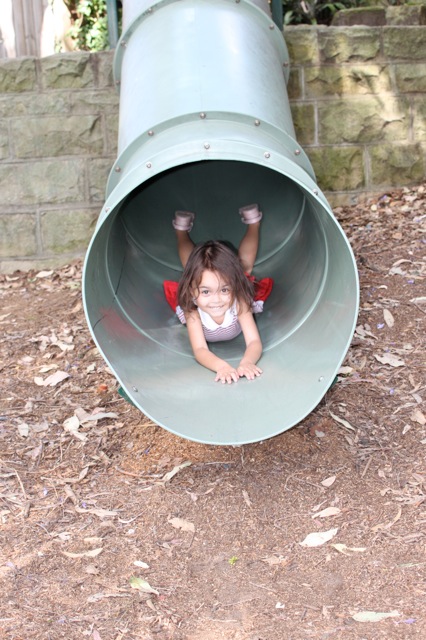
Coming out of the tunnel smiling

For more information on vaccination and Autism, please refer to my favorite sites;  www.ageofautism.com , www.talkaboutcuringautism.org, www.autism.com. Just google vaccine damage and you’ll see the many parents and patients account, articles and news on not just the MMR, but also the for flu, H1N1 and cervical cancer vaccinations. Books such as Dr Kenneth Bock’s 4A Disorders: Autism, ADHD, Asthma and Allergies, Age of Autism: Mercury, A Man Made Epidemic, all 3 of Jenny McCarthy’s Autism books and even Dr Sears’ Autism Book explains it better than this ever mummy can. Dr Stephanie Cave’s vaccine book is illuminating.

I have no regrets, I place no blame. Autism is a complex and ugly disease, mainstream medicine and modern science is far from achieving the cure nor determining the causation. Vaccinations, environmental toxins, pesticides, pollution, viruses, genetics, food intolerance, over-usage of antibiotics in medical practice as well as antibiotics pumped into chicken and cows that we eat, genetically modified food sources, allergens, immune dysfunction, metabolic disease and mitochondrial disorders are only a few of the many causative factors. As a parent, it is our responsibility to ensure the health and safety of our children. Never underestimate your mother’s instinct. Autism is Treatable, but Prevention is even better. 

>The Year of Recovery….

>

The 2 sisters enjoying the horse and cowboy show

This time last year, Maya was getting closer and closer to recovery. I kept saying “It’s so close, I can smell it!”. It was a phrase many friends have heard me saying, an affirming mantra to motivate myself to keep going and keep reaching for bigger and better progress. True enough, I smelled it, I inhaled it and now we’re breathing in the Recovery.

The year 2010 has been the most challenging year as well as the most rewarding ever. I read my previous posting and I was reminded again of how far Maya has come http://mayaviktoria.blogspot.com/2009/12/year-that-was.html . At the start of 2010, Maya was still a child requiring special education and therapy, her Autistic characteristics though lessened were still apparent. By the end of 2010, Maya is now a typical girl albeit with a few quirks. But hey, every one’s gotta have a few quirks and eccentricities right?

In June 2010, after several diagnostic assessments and tests, Maya has officially lost her previous diagnosis of Autism. She now falls under the Non-Autistic range, not only that, she scores rate her to be higher-functioning within the neuro-typical range. To have recovered Maya in exactly 2 years since her diagnosis is truly a blessing, a testament to Maya’s strength and resilience. By mid-2010, Maya no longer required specialized 1 on 1 ABA therapy. She then went on to several different kindergartens, finally in the 3rd and last kindergarten, Maya finally found her groove. She no longer required a shadow aide and has been flying solo for the past 5 months. Scholastically, Maya has excelled. Her reading is above grade-level, her grasp for maths is amazing and she’s getting on very well with drawing and writing.

The 4 amigos in pink

In October, Maya turned 5 years old. She had the birthday party of her dreams, surrounded by her little friends in a kids spa. She has lots of friends and makes friends easily. We can take her everywhere and she’d be beautifully well behaved. Maya has developed a 5 year old sense of humor and makes jokes with us often.

Maya is good-tempered and sweet most of the time, the mood swings of previous years are rare. She’s best buddies with her sister Yasmin and the 2 sisters get up to many mischief together.
Maya is now fully toilet trained in the daytime, at night time we still put nappies on her when she’s asleep though a few times she has asked not to wear nappies at night, saying that she’s now a big girl. Night time toilet training is something for us to forward to this year.

Maya now goes to ballet school twice a week and a jazz dance class once a week. She is begging me to take her to piano class as she has a love for music. She surprised us with her musicality by teaching herself to play the piano. She has finally found a love for bicycling, after 2 years of her little pink bike sitting gathering dust ignored. For Christmas this year, we gave her a scooter, within 1 day she has mastered the art of balancing on it as well as pedaling with the other leg. She goes hard and fast and is a dynamo on it.

Zoom zoom zoom!

Went we went to Sydney recently for Christmas, many friends and family members who have not seen Maya for 2.5 years all remarked at the change in her. They could not believe she was the same girl as before. Previously she would cower away from people, refused to meet anyone’s eyes and never spoke. She was very withdrawn, anxious and gets very easily distressed. Now, she’s gregarious, chats away to everyone, gives everyone a hug, joins in all the fun, plays with all the kids and even adults. Friends constantly told us that they wouldn’t have believed that this was a child previously affected by Autism if they had not seen it before with their own eyes. The before and now is amazing indeed.

Maya now is capable of sensing whenever she needs a break, previously I would notice tell-tale signs that she has had enough and needs a break. This usually occurs in a social setting, when surrounded by crowds and lots of activities. These situations are usually the most stressful for her, though she handles it beautifully now. So long as I could tell whenever she needed a time out, I would take her to a quiet corner so she can chill out and regroup herself.

Recently during the Christmas season, Paul and I would be busy chatting away with old friends and both Maya and Yasmin would be happily playing away with the other kids. Unlike when we were back in KL, most of the time in Sydney I didn’t really take the time to check on how Maya was doing because she was doing great when we went out. Most times, she could fully participate in the entire time we were out. But on a couple of occasions, when in an unfamiliar place, Maya came up to me and said “Mummy, can you find a quiet place for me to rest please?”. So in those instances, I would either ask the host for a quiet bedroom where Maya could chill out for a bit. If we were in a crowded restaurant, I would sit her in her reclining stroller and pull the canopy down low so she could get some privacy. Usually 20 minutes was enough for her and she’ll be ready to join in the fun afterwards. Previously she would keep going until she’s at her breaking point and would fuss and whine because she was over tired or over stimulated. What a great ability, to identify when oneself is over-tired or overwhelmed AND recognizing the need to take a breather. Most adults can’t even do that.

At the farm feeding baby lambs

Now, not only does Maya speak English fluently and beautifully, she is now learning to speak Bahasa Malaysia and Mandarin. Barely 1.5 years ago, we worried if Maya would even be able to master the very basics of one language, now she is well on her way to
becoming multi-lingual. Nearly all our friends and family in Australia remarked that Maya spoke in an American accent. Courtesy of our American-trained ABA therapists:-)

Apart from frequent consultations with Dr Erwin Kay as well as Dr Rina Adeline, we also had the opportunity to consult with Dr Jeff Bradstreet. With him, we delved further into Maya’s heavy metal toxicity. This year we aim to focus on her mitochondrial dysfunction as well as her immunological dysfunction. We hope that this year will see improved health overall in Maya. Her frequent illness, low weight gain and low muscle tone will hopefully be addressed. We will restart our previously abandoned chelation protocol, now to be replaced with Dr Bradstreet’s protocol. I have a long list of action items from our consult with Dr Bradstreet, however I was not able to implement most of them as we had to leave for Sydney almost immediately after we saw him in Bangkok. But now that we’re back, I am excited to implement everything we have learnt, from the consult as well as from the Integrative Care for Autism Conference in Bangkok.

Recently, we finally managed to start homeopathic treatment with Dr Michael Bielby, an Australian MD who also has a special interest in holistic and integrative healthcare. http://www.yourhealth.com.au/select-alternative-doctor-natural-medicine-sydney-nsw.php. Dr Beilby combines conventional DAN Biomed with biofeedback, naturopathy and homeopathy. He uses biofeedback for diagnostic as well as treatment purposes, he also relies on biomedical supplements and homeopathic remedies which he mixes for us specially on the spot. His main concerns for Maya are toxoplasmosis, parasites and heavy metals. His biofeedback treatment and homeopathic remedies will compliment our existing biomedical protocol. We came back with a few bottles of homeopathic remedies as well as a list of action items.

This year, we will also start the search for an appropriate school for Maya. She will be turning 6 years old in October, thus she will need to be in an elementary school. This was a topic that Paul and I have avoided for so long, many of our friends with neuro-typical children have already decided on which schools and have put their kids on waiting lists since they were toddlers. Maya was deep in Autism then, but now we are confident that she is blossoming in the mainstream school. We would most probably choose a private school, and we have yet to decide whether to choose a Malaysian, Australian, British or American curriculum for her. The fees of private international schools are staggering and this will definitely be a factor when choosing. Most importantly, we want Maya to be in a safe and supportive environment, her happiness is of the utmost importance.

The past few weeks when we were in Sydney for the Christmas season, we had the most wonderfully hectic schedule, seeing friends and family every day. We went to the beach nearly every day, ran around the parks and gardens, the girls played with all the kids we knew. Both girls loved playing with puppies and fed birds and farm animals. This was by far the best Christmas we ever had and the best holiday ever as a family. The girls absolutely loved Sydney and on our last day as we were packing for our flight home, Maya yelled at us saying “I don’t want to go back, the holiday is not over!” Both the girls were very sad to say good bye to their grandparents, family and all their friends, especially their adored cousin Jack.

The 3 cousins

A friend asked me recently why I am continually on the go, always trying new treatments. Why don’t I let the current treatments do it’s job and wait for the healing? As many of you know, it is not in my nature to just sit back and wait for good things to happen. If there is something I can do to improve my girls health, even a tiny percent, then why not do it? Imagine, if I had decided to stop and be satisfied with Maya’s improvements 1 year ago, Maya would not be where she is now. Yes, she would still be better off compared to many Autistic children I know, but why close your mind off to the possibilities? Just because Biomed worked wonderfully for me, doesn’t mean that I will not explore other treatments. I had the opportunity to do biofeedback and homeopathy with an esteemed Australian doctor, I grabbed it. I had the opportunity to consult with Dr Bradstreet, a world-class autism specialist, I grabbed it. I will not sit back and watch opportunities pass me by, opportunities that may be of greater advantage for my child. I remind myself to avoid tunnel-vision, always think outside the box, to let go of my fears and grab the opportunity when the universe hands it to you on a platter.

The year 2010 came with many challenges, intense hardships and crippling sacrifices. But it also gave us the biggest rewards ever. I hope 2011 will be just as rewarding. The smell of recovery is sweet, every breath drawn is intoxicating. The glimmer of hope and sunshine many of my friends are already now experiencing is merely a sneak preview of the happier days to come, so hang in there my Super Mums & Dads. The fruits of our labour through therapy, biomed and prayers have come to bloom. Keep reaching for the highest peak my friends, for the air up there is pure and sweet.

>The Picky Eaters Club & Smuggling in Supplements…..

>

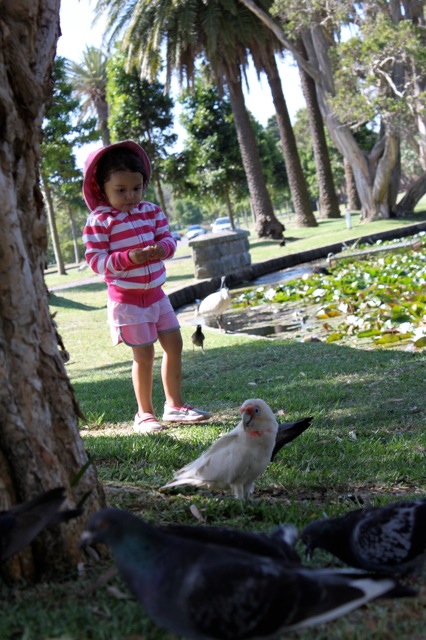
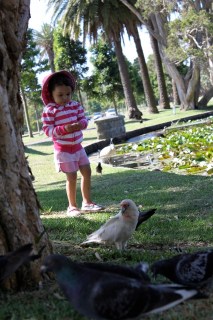
Feeding gluten-free bread to the cockatoos

I belong to this club, well, my kids do. They are both extremely picky eaters, feeding them supplements are still a challenge till this day. So my membership is by default, though not by choice. Even with the GFCF diet, my girls still refused to eat the gluten-free bread so easily available in supermarkets when we were in Sydney recently. In my opinion, those breads were yummy! And the GFCF food choices available were plentiful, not just in supermarkets, but even in small cafes and food courts, as more and more Australians are lactose intolerant or have celiac disease. But even then, the girls preferred to feed the ducks, swans, geese and birds in the park with the gluten-free bread.

Many biomed parents face the difficulty of giving their children the many supplements, most of them tastes awful. Until the day my girls can swallow capsules, we’ll still find tricky ways to smuggle them in.  The TACA website had lots of suggestions on how to give supplements to fussy eaters like mine. I’ve smuggled supplements into spoonfuls of food eg. rice, sandwiches, peanut butter, GFCF ice cream. Most commonly, I add them to rice milk, though it took some getting used to. I even feed them rice milk filled with supplements and feed them at midnight when they are sleeping so they are less aware of the strong taste. I even made agar-agar, but they don’t like the texture. Some supplements taste fruity so you can add to juice, fill it in a non-clear sippy cup and encourage him to drink bit by bit throughout the day. I buy fun cups and glasses, even curly straws to encourage them to drink. Our favorite was to have drinking competition, where mummy, daddy, sister, maid and Maya race to drink from our colorful cups and curly straws:-)

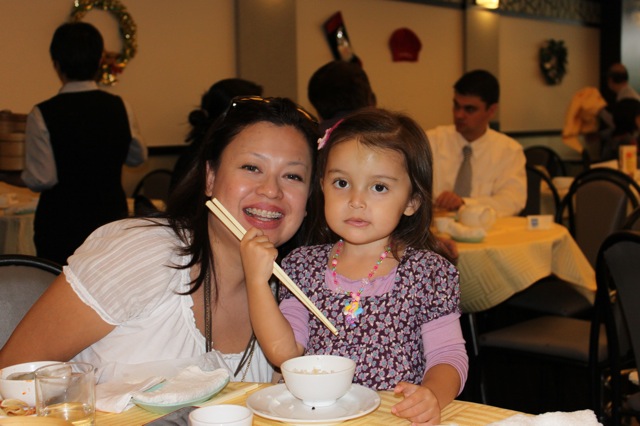
Yasmin eating rice with chopsticks

We went out for a Chinese lunch with our Australian family recently, Yasmin gamely ate 2 mouthfuls of plain rice with her chopsticks, though Maya refused to eat anything except a few GFCF biscuits we brought along as an emergency snack. But guess what? I was so incredibly proud of both the girls, for they both sat quietly in their seats, they didn’t scream, cry, fuss or fidget in the crowded noisy restaurant. They  chatted away to Grandpa and Grandma, they were well behaved and happy. And they only played with the iPad and iPhone in the last 20 minutes of the long 2.5 hour mealtime. A huge change from 1 year ago. We usually try to feed them a good meal at home before or after an outing so that we can make sure they eat enough as well as be able to get the supplements in too. It’s a bit harder to add supplements into the food when we’re eating out, also the girls don’t eat much at all so all the supplement would go to waste anyway. Though I usually fill a little pill box with a few capsules of certain supplements and label them, so I can easily add the supplements into the milk bottles when the girls ask for milk when going out.
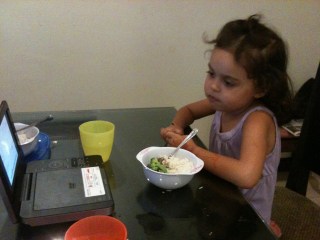
Notice the broccoli… yes, she will eat it if distracted enough

I also have other unconventional methods which would be frowned upon by parenting experts. We have all met judgemental parents who give us oh so helpful advice on how to encourage healthy eating in our kids, on how to teach them to feed themselves. I have not been successful in getting the kids to feed themselves a complete meal just yet, the best we could do is 3 spoonfuls then they run away from the table. I also find it helpful when we feed them in front of the tv or when playing a game on the iPhone. I am always offered unsolicited advice on how to encourage our kids to eat vegetables, fruits and salads. Yes, there are little kids who eat salads!! Even sushi rolls and other disgustingly healthy wholesome foods, how do these parents do it?

Note the girl next to Maya eating carrots and celery sticks

One mum I met at a kids birthday party has a 5 year old healthy neuro-typical daughter who refuses to eat birthday cake, instead she was happily tucking in to the carrot and celery sticks, strawberries and rock melon!the mum has obviously done something right, but I did not want to sit and chat with her. Especially when my girls refused the fruit platter and sausage rolls, yet were begging for a 3rd helping of the birthday cake. Respect to those mothers, but this mama is sticking to spoon feeding her kids chicken rice in front of the tv. Even though my girls didn’t eat fruit and crave birthday cake, I was more proud of them especially Maya. Considering that exactly 13 months ago, she couldn’t even be able to attend a birthday party, much less make friends with the other kids, join in the games nor enjoy the puppet show. I’d rather have the Maya I have today over a girl who would eat fruits and vegetables but not able to enjoy a birthday party.

 I have melted dairy free chocolate and mix with crunchy GFCF breakfast cereal and mix with supplements then fill into tiny paper cups and chill in the fridge so they look like chocolate.

You can mix into milkshakes/smoothies- mix rice milk, fresh banana and maybe strawberries and blitz it in the blender. If u have a good blender, u can even add ice cubes in, they are incredibly simple to make and YUMMY! I have made cocoa with real cocoa (not Milo or Ovaltine please!) rice milk and a bit of sugar, xylitol, organic honey, maple syrup or your choice of sweeteners. Then mix a few supplements in, though we call them Milo at home:-) Alternatively, there are chocolate flavored soy milk, even vanilla and chocolate rice milk as an occasional treat. Though soy is ideally eliminated from the ASD child diet, personally I do give them soy based treats occasionally. When my priority is to ensure they take a particular medication eg. a course of antibiotics, or additional minerals during chelation rounds, then the soy-free diet is temporarily lifted.

A sure fire way to make sure my girls finish their supp
lements is to mix it into GFCF ice cream. Singapore has different brands and flavors of GFCF soy as well as rice ice creams, in KL you can buy soy vanilla ice cream from the Country Farms Organic shop in Bangsar Village 1, only costs RM10 per 1/2 litre tub if I recall. When we were in Sydney, we found so many brands of GFCF ice creams. Hopefully through growing demand, our supermarkets will start stocking them in Malaysia. I would mix a small portion of ice cream with one or two supplements, then place into small pretty bowls and chill them for 5-10 minutes back into the freezer as by this time the ice cream would have become a bit runny. When adding supplements that are grainy into ice cream, I usually top the ice cream with some colorful sprinkles, the kind you use for baking. I usually get the girls to help with the sprinkling. Then the girls think that the grittiness or crunchy bits are sprinkles:-)I save ice creams only for certain very important supplements, not for daily use otherwise the girls get too much sugar and additives. Worse, they’ll start expecting it daily and it’s no longer a special treat.

My girls loves juice in small popper boxes, so I would usually empty out a small box of her favorite juice, then mix a small amount of juice with water and whichever supplement, mix it well, then syringe it back into the box. Usually I fill it up only 1/4 full, to make sure she finishes it. That way, she’ll ask for more juice. I save the leftover juice for another time and supplement, so the 2nd round I’ll dilute the juice again and add a different supplement in. Syringing it back into the box sounds like a long slow process, but we have done it with great success and have become quite an expert at it, it only takes 5 minutes. Using a syringe with a pointy bit works quite well when adding the juice into the tiny straw hole. You can even try it with small Milo popper box and adding your own homemade cocoa or GFCF chocolate milk, with supplements too.

Advice to parents new to Biomed- this mostly applies to members of the Picky Eaters Club:-)

Starting the GFCF diet- change only 1 thing at a time, you already know how to mix a tiny amount of rice milk with the formula and gradually increasing the ratio. Next step is to choose one other option. For example, if your child LOVES biscuits and cookies, then change that one first with a similar GFCF option. if he’s a bread lover, then change the bread. if she’s a roti canai addict, then try to make your own homemade GFCF roti canai. In the meantime, cut out the MSG, preservatives, additives, food colorings, flavor enhancers and artificial sweeteners. Doing this alone improves your child’s diet and health IMMENSELY.

Giving supplements- introduce only 1-3 supplements a week, forget about the 12 other supplements first. Otherwise the task would seem monumental and you’d be completely overwhelmed. I recommend to start with a quarter of the dosage, firstly to get the kids adjusted to the taste gradually rather than bombard them with the full strong taste. Secondly to determine any bad side effects.

Get your ABA and special education team to help- start the compliance program for taking supplements or medicine by syringe or by spoon now! If your kids are slightly older or more compliant, then get your team to teach your child to swallow capsules now. I just wished I had started sooner, who knows, it could be easier than you expected. You may not even have to resort to smuggling in the supplements, it is possible you could end up with a child who will happily swallow capsules, have faith!

Here’s a few ideas on how my girls would take some of their basic supplements-

Calcium- add to rice milk in the bottle or sippy cup. Kirkman’s Calcium powder tastes very mild, virtually undetectable in rice milk. My girls hate Kirkman’s Cal/Mag Liquid.

Magnesium- Kirkman’s Powder Magnesium Glycinate Biomax dissolves well into any liquid, if added to water it just tastes like sugar water. Contains stevia, but my girls have no issues with it. Just about any brand of Magnesium Glycinate we tried in capsules when opened are gritty and tastes HORRIBLE!

Zinc- both my kids cannot detect zinc capsules when opened and added to rice milk. Zinc picolinate tastes slightly better than normal zinc. But lately, Maya’s taste buds can detect it, so we changed to Kirkman’s Liquid Zinc berry pomegranate flavor. Can be added to juice and tastes fruity.

Fish oil- I have tried many brands, initially when both girls were milk addicts, after I have successfully converted them to rice milk, they can tolerate half teaspoon of fish oil in the milk. As long as the fish oil is added into the milk at the last minute and they must drink it immediately, otherwise the taste turns bad. For the past one year, both girls prefer Prothera Eicosamax. However, experiment with different brands, many comes in lemon, orange and strawberry flavors.

B6, P5P,B Complex and Super Nu Thera- no matter what I do, my girls hated the taste of B Complex and SNT. All of these turns milk yellow. However, B6 and P5P are slightly more tolerable taste wise. For a while, we could add tiny amounts to spoonfuls of strongly flavored foods eg spaghetti bolognese. But now, I find mixing B6 or P5P with TMG in water makes it taste like plain water! But this is only possible once we were ready to introduce TMG. Before that, I would give it in rice milk mixed with magnesium powder, provided the room was dark so the girls can’t see the colour of the yellow milk.

Probiotics- can be added to rice milk, or mixed into food, mild taste. Again, Probiotics are live cultures, so make sure the milk or food aren’t too warm. Culturelle too tastes mild and ok in milk.

Sacchromyces Bouardii- Kirkman’s S.Boulardii capsules when opened smells yeasty, makes milk slightly cream colour and slightly grainy. My girls are fine when added to rice milk. Some kids can’t stand the taste. Klaire Labs’ S.Boulardii capsule when opened are white, fine textured, dissolves well in milk and doesn’t have any strong smell or taste. This is a crowd favorite.

Medicated antifungals/ antibiotics/ antiviral- Diflucan capsules when opened and Augmentin suspension tastes fine in rice milk. For much stronger tasting medications, I would mix into GFCF ice cream.

Vitamin C- usually in tablet or capsule forms, my girls can usually tolerate it in juice, though with Maya, we usually have to keep encouraging her to drink small sips all day long.

As part of the Picky Eaters Kids Club, I have cried over spilt milk, spat out food and wasted expensive supplements. I’ve had to wipe down tables, chairs, floors, walls, furniture and even my beloved iPad when the girls suddenly spat out something where they find the taste offensive. Note to self, never ever feed them yucky supplements when playing with the iPad!
One amazing mum I know mix huge amounts of supplements into a spoonful of coconut oil several times a day, mix it to a paste and feed it to her child by force. Not only is she an amazing and determined mum, she is also a brave woman, for her child is big, strong and is known to be a biter! I nearly choked when I saw her mangled finger which was so badly bitten that she nearly lost her finger. By hook or by crook, this resourceful mother finds creative ways to stick to the strict diet and complex protocol, even when on holiday in a remote 3rd world country whilst on a house boat in the middle of a river in freezing 4 degree Celsius weather! RR, I’m proud to be your friend, you inspire and lead by example every single day.

We all have many different methods that work for our children, you too will find what works best for your child. With lots of patience, imagination and a willingness to experiment, you can find the best ways to feed the supplements to your child.

Happy New Year everyone, may 2011 be better and brighter to us all. Just maybe, by New
Years Eve next year, we’ll no longer be members of the Picky Eaters Club. Say no more to smuggling supplements by 2012, who’s with me?

>LDN, Pneumonia and Bangkok….

>We have started on LDN (Low Dose Naltrexone) a couple of months back. It is a topical cream based in Emu Oil to be applied at night. We saw Dr Jacquelyn McCandless’s presentation at an Autism Conference in Hong Kong and were highly impressed with her research and clinical experience with LDN. Please refer to Dr J. McCandless work on the benefits of LDN. You can also join her LDN Yahoo Group at  http://health.groups.yahoo.com/group/lowdosenaltrexone The use and benefits of Low Dose Naltrexone (the key word here is low-dose) are varied. Not just for Autism, but also multiple sclerosis, cancer and other autoimmune diseases. I also love Dr Kurt Woeller’s succinct explanation of LDN, very easy to understand. Please refer to http://drkurtwoeller.blogspot.com/2009/01/autism-benefits-of-low-dose-naltrexone.html

After several months of wrangling to get LDN into Malaysia (thank you RR for making this happen!) we finally got our first supply of specially compounded LDN cream. We immediately started applying it on Maya’s feet every night. Though many parents report that the smell is lovely, for us it smelt awful. My husband akin it to buffalo snort. Though how he would know what buffalo snort smells like, I have no clue. We hate the smell but love the effect.

From your own research, you’ll understand that amongst the many benefits of LDN, it also works as an opioid-blocker, which indirectly increases the production of endorphins- the happy hormone. It’s role in immune-modulation is also a big incentive for us to start on LDN fast.

Within a week, both Paul and I noticed some nice gains in Maya. She was more loving, more sociable and very sweet. Though Maya has always shown us love and affection, we saw a more loving, caring and compassionate side of Maya. She was much nicer to her sister Yasmin, she made friends very easily and was more at ease in social situations. Maya would also seek our company more, always coming over to give us hugs and kisses. She was even hugging and kissing her sister. And she started giving and receiving hugs from her own friends as well as well from close adult family friends. She showed a depth of emotion that we never realized possible. We always felt that Maya was already warm and loving. But after just 1 week of LDN, she showed a generosity of spirit that was so apparent to us.

Paul was excited to try LDN on himself too as we were very impressed with Dr McCandless herself. She is a living testament on the benefits of Biomed and LDN. For some reason, Paul was in charge of applying LDN on the girls. He also applies it on himself. Initially I would play the good wife and gave him a foot massage every night with the LDN, but that ended after a few days.

After the first week, we decided to apply LDN on Yasmin too. Yasmin has aways been more sociable and affectionate than Maya. However one of the many benefits of LDN is it’s positive effect on the immune system. As you know, immune dysfunction is a huge issue in our household right now. And yes, Yasmin too was even more loving and cuddlier than ever. Both girls got along even better than before, not only were they playing together more often, there were less fighting amongst the sisters. They were considerate to each other and even sharing toys and games.

We love the social gains and new range of positive and loving emotions that LDN brought out in Maya and Yasmin for the past few weeks. However, this also coincided with a seemingly never ending period of colds, flu, mild fever or coughing. Both the girls were either coming down with a cold or one of the other illnesses. None of the illnesses were particularly serious, they were considered mild but they would linger on longer than usual. 

As some of you know, the colds, flu, coughs and fever lingered on in our household for a few weeks. We tried many natural remedies to treat them which unfortunately did not work for us this time. It finally developed into full-blown pneumonia, both girls were diagnosed with pneumonia by our local pediatrician. It wasn’t severe enough to warrant hospitalization, thank goodness. We took our two little girls home with a prescription of antibiotics and other medications. Antibiotics when used judicially is a great, in this instance it came through for us. Within 2 days of antibiotics, we noticed a great improvement in the girls’ health.

The girls now are recovering nicely from their bout with pneumonia. Maya no longer have any symptoms though Yasmin is taking a little bit longer to regain her health.  Maya however seemed just a little bit giddy, a bit more tantrummy, she displayed slight non-compliance and anxiety.  Both girls seemed to be fighting a little bit more often. As usual, whenever the girls are on antibiotics, we started to notice some kooky yeast behavior a few days later. We quickly put Maya on Diflucan and Yasmin on Nystatin. Within HOURS of giving Maya the Diflucan, she was back to her normal, sweet loving self. She wasn’t picking fights with Yasmin and was more compliant. 

So where does LDN come into this story? Paul and I were scheduled to fly to Bangkok the next day for the Integrative Medicine for Autism Spectrum Disorder Conference in Bangkok, Thailand. Apart from the opportunity to learn more about biomedical treatments and other alternative treatments for Autism, we also took the rare opportunity to consult with Dr Jeff Bradstreet. Sometimes, the universe seems to collide in the nicest way possible…..one of our own trusted DAN doctors from Indonesia was also attending the conference. We knew that Dr RA has also worked with Dr JB several times in the past, having met him at previous DAN conferences and think-tanks. I requested for her to join us in the consult with Dr JB. 

Paul and I decided not to bring our girls along to Bangkok, we had specific issues we wanted to consult with Dr JB and we had enough test results and experience with biomed consults to make the most of this meeting. Having Dr RA there was a huge bonus, Paul and I marveled at how quickly Dr JB got to the essence of our girls with the help of Dr RA. The consults for both girls took 2 hours, which still went pretty quickly to us. Dr RA was able to answer many of Dr JB’s more in depth questions, questions which both Paul and I would be floundering with. We came back with several things to work on, getting deeper into both Maya and Yasmin’s medical issues. 

Both Maya and Yasmin presented their own unique combination of mitochondrial disorders, heavy metal toxicity and inflammation. Because of these, LDN though providing us with the lovey-dovey and sweetness benefits, also acted as an immune suppressant for my girls. Thus making the girls more susceptible to illnesses. Therefor, we now had to stop LDN with the girls, at the moment the risks far outweighs the benefits. Many other kids can benefit from LDN enormously, bringing out the happiness, good moods and social gains. Most kids will benefit from the immune-modulating benefits of LDN, however with my girls’ unique mitochondrial issues, LDN isn’t the best for us. Dr JB and Dr RA will now concentrate on  helping us with the girls immune modulation, mitochondrial issues and chelation. Since Paul and I bemoan the loss of the sweetness factor of LDN, Dr JB recommended Oxytocin instead. For now, I’m happy to be back home in KL with both my girls and am gearing up to implement the long list of things to do that we learnt in Bangkok.

>Sitting On A Tack….

>”If you are sitting on a tack it takes a lot of Risperdal to make it feel better. The appropriate treatment for tack-sitting is tack removal. If you are sitting on two tacks, removing one does not produce a fifty-percent improvement”. Dr Sidney Baker MD

You can also choose to train your child to sit still on a tack by doing months of behavioral therapy. But he will still be in pain.

It’s been 2y5m since the day Maya was diagnosed with Autism. It’s also been 2y5m since we put Maya on the gluten and casein-free diet. And 1y9m since we starting on our biomedical journey with supplements and Biomed doctors. I’m am forever grateful that our choices and decisions thus far has lead us down the path to recovery. Managed recovery for Maya was more than we could ever hope for. When first getting the diagnosis and then deciding what therapies and treatments to choose, we agonize whether it is the right choice for our children. We spend hours on research, ask the advice of doctors, professionals and other parents. But ultimately, it is our decision what we choose to do.

However, at some point, we need to stop doing research and instead apply it. The only way we can determine fully if a treatment or therapy will work for our child is to actually do it. I spent months researching on biomed, now looking back, so many wasted months. I did not need to know everything there was to know about Biomed in order to start it. Luckily, the decision to do the GFCF diet was immediate for Paul and I. We changed Maya’s diet the day she got her autism diagnosis. Right or wrong, we wanted to do something RIGHT NOW. Though the medical community keep telling us that chances of improvement is better the earlier we start intervention, but it usually takes us months just to get a diagnosis and assessment. And more months before we can start behavioral, speech or occupational therapy. But the diet was something that we can start now. Lucky for us, we saw immediate improvement.

I disagree with the current consensus that Autism is a psychiatric disorder. Because Autism manifests itself as primarily a behavioral disorder, many people tend to overlook just how unhealthy our kids are. Our kids don’t only have Autistic behaviors, there are also many physical and medical issues that are brushed aside. Many kids with Autism exhibit hypotonia, low muscle tone, inability to walk well, dyspraxia, low energy levels, some kids I know can’t even last 5 minutes before having to lie down. This to me screams out zinc and CoQ10 deficiencies at the very least.

Some kids have severe feeding issues, refusal to eat, addiction to certain foods especially cheese and milk, reflux, bloating, gassiness, diarhhia and constipation to name a few. In a neuro-typical child, the most obvious conclusion is that this is a patient with either food allergies or intolerance and gastrointestinal issues and the parents would whisk their kid to a GI specialist immediately. But when you bring in a child with Autism to a pediatrician telling them of constipation, they are told that “oh, it’s just Autism” or worse saying that the child is purposefully refusing to poop. Reality check here people, a human being, old or young is not able to mentally will himself to hold on to a bowel movement, especially not for 2 weeks! You should try it sometime, see how far you can go without a bowel movement and see how pleasant you feel during that time.

They are not pooping not because they are Autistic, defiant or trying to exert control over the parents, they are not pooping because they are medically and physically not able to. Constipation is a common malady in Autism, it could be due to many reasons. Food intolerance, inflammation, impacted stool, motility issues, yeast overgrowth,lack of digestive enzymes, Vitamin C and magnesium just to name a few. How many times have I heard “my child is not pooping because he purposefully doesn’t want to”. Have you ever considered that he is not able to? That his stool is so incredibly hard and large that it is agonizing every time he does a bowel movement? That he has been chronically constipated for so long that his bowels are chockful of impacted stool. I have seen Yasmin’s abdominal x-rays, she was literally full of shit! She was so severely constipated that it actually caused diarhhia, known as spurious diarhhia. No wonder she was acting so horribly, her tummy and bowels was in agony. I have dug out rock hard poop out of Maya’s bottom with my fingers, they were as hard as rocks! In light of this, do you STILL feel that she didn’t have a bowel movement for 5 days because it’s a behavioral issue?

If this is your child, go straight to a biomed doctor or a pediatric GI specialist right away. Don’t take Autism as an excuse, if you are constipated for 5 days, you too will act and feel horrible. Laxatives and enemas may be required, but remember that these are temporary solutions just to relieve the symptoms. You need to address the root cause of why he was constipated in the first place. We do get comments such as giving prune juice and my personal favorite “eat more fruits”. Gastrointestinal disease in Autism is a very well known fact. It goes beyond mere prune juice, fruits and more fiber. Plus, many ASD kids refuse to eat fruits and many have salicylates issue so they need to do a fruit-free diet. Maya and Yasmin was only finally able to toilet train and no longer needed to wear diapers after I addressed their health issues.

Many children with Autism have sleep issues such as inability to go to sleep easily, not able to stay asleep for long, the sleep period is too short or my personal favorite, waking up in the middle of the night. They usually wake up for 2-3 hours before going back to sleep, a few just stay quiet or play quietly. But some cry and scream for hours. And some babble, sing and laugh. For parents of children with sleep issues, you know what I mean. Our kids wake up at night every single night for months, some even years. Yes, I have been there and this was by far one of the most challenging part of our lives. Dealing with Autistic behaviors during the day time was bad enough, but having to deal with it from 2-5am every single night for 1 year was too much for any parent to bear. I still get chills down my spine when I recall hearing Maya laughing maniacally in the dark for hours on end.

Please see my previous blogs on sleep issues, the possible root causes and treatments that may help. It is treatable, if your doctor tells you “it’s just Autism” and there’s nothing he can do, then see a Biomed doctor. If your behavioral therapist says that it’s a behavioral issue and to treat it with behavioral therapy, well…. You are most welcome to spend many many nights sleeping with all the therapists in your child’s bedroom, see how far you can get. Biomed doctors understand these things, sleep disorder is treatable.

Some kids have eye stimming such as looking out of the corner of their eyes. For many kids, this is easily treatable with cod liver oil and/or Vitamin A. But please consult a Biomed doctor before undergoing Vitamin A therapy, it can lead to toxicity. Not every child requires additional Vitamin A, most cod liver oils contains Vitamin A and this is usually adequate for our kids.

If your child grinds his teeth or keeps poking their eyes, then it’s usually related to calcium deficiency. Drinking more cow’s milk or formula is not the answer, you need calcium supplementation. Also, cow’s milk is not suitable for our kids. A dentist will say teeth grinding is caused by stress, but seriously, a 3 year old kid with stress? Try some calcium and you’ll notice a difference in a few days.

Children who are always getting sick or has been on antibiotics many times, well, you have to wonder about their immune system. So do kids who NEVER seem to get sick. We are not looking to boost the immune system, we want to have a BALANCED immune system. Most ASD kids have dysregulated immune system or immune dysfunction. Vita
min D, probiotics, zinc and cod liver oil are some of the basic nutritional support for healthy immunological balance. There are many other supplements to address immune dysfunction, but it is child specific.

If your kids have been on frequent antibiotics, you must give him additional probiotics supplement. Remember, antibiotics kills bad AND good flora. The probiotics in yoghurt or yoghurt drinks are not recommended, it only gives very low amounts of good bacterias, it’s not multi-strain and most contain tons of sugar, flavorings and preservatives and not to mention casein. Frequent antibiotic usage also brings to mind yeast overgrowth, when there are no good flora present in the gut, yeast and other opportunistic organisms proliferate. Whenever I bring up the subject of yeast overgrowth with a local doctor, they give me the ‘fungus exists in our bodies naturally etc” speech. Yes, we know that, but we are talking about yeast infections or fungal overgrowth here. It is a well-known fact that yeast infections causes physical discomfort and emotional imbalance.

And when you finally manage to convince them to do the yeast test, and upon finding a positive result, some doctors even refuse to do antifungal treatment! Citing again that fungus exists in our bodies. So why is there a yeast test available in our local labs anyway? If you still won’t treat a positive fungal test, when do you ever choose to treat one? Some argue because the amount is low. Well, if it is positive, that means the amount is far larger than what is considered the acceptable control levels of yeast in the body right? Many doctors have no qualms prescribing antibiotics, but they give me a 1 hour lecture if I request for a yeast test or for antifungals.

Many parents new to Biomed, especially the ones who do not consult with a biomed doctor insist on giving Super Nu Thera. However, many children do not tolerate SNT well. Mainly because it is a multivitamin and mineral combo, many kids require specific nutrients at specific dosages. Thus a combo multivit is not suitable. I much prefer single B6 or P5P formulations. I heard that Kirkman Labs will phase out SNT eventually.

Children who are always licking things, this is usually a sign of mineral deficiencies. In biomedical, we give individual calcium, zinc and magnesium supplements. Maya stopped licking everything after 2 weeks on zinc. Yasmin stopped knocking and patting things with her hands and knuckles after a few weeks on all the minerals.

Maya stopped tiptoeing when we treated her yeast overgrowth. Yasmin only stopped tiptoeing after addressing here chronic diarhhia. Don’t even get me started on aggressive behavior due to bacterial and anaerobic bacterial infections. The improvements we see after treating infections are enormous. Our kids have nutritional deficiencies, immune dysfunction, multiple infections, neurotoxins, abnormal biochemical imbalances, metabolic issues and many more.

If a doctor gives you a lecture of how the GFCF diet or Biomed doesn’t work, I guarantee you that he or she has never been trained in biomed treatments, that they know even less than you do about Biomed. I bet the doctor has never ever recommended a patient to do the diet nor vitamins and minerals supplements. Instead, check how often that doctor prescribes mind-numbing psychotic pharmaceutical medications. I’m sure there are children where the diet and supplements did not help them and only the drugs will help. However, you will never know if your child will be the one to improve or even recover on Biomed unless you try it. Before you go straight to the pharmaceutical medications, try everything. If I listened to the 20 doctors who told me Autism is untreatable and that I should plan for my daughter’s future by putting her in a home for the disabled, I shudder to think how far gone Maya would be now. You have heard the horror stories of the abuse and even murder that goes on in these homes.

Autism is treatable. No matter how old your child is, you can always improve the quality of his life. As Dr Sidney Baker said, remove the tacks.

>What To Expect During Your First Biomed Consult

>As part of our Autism journey, we have met many people especially in the medical and special education field. Some have been incredibly helpful, many were not. And because Autism is such a complex disorder, we often have to resort to second opinions. So, like most Autism parents here, we have had many many consults with doctors and other professionals. Preparing for a 1st consult is important, not only do we sit together to discuss our child, we are also trying to size up the person sitting across from you, whether this is the right person to guide you in the journey towards recovering your child. 

Apart from medical degrees and other professional diplomas, we also base it on their bedside manner, how they treat our child and us, whether they are respectful or condescending, if they have the right attitude, whether they think they know best and disregard the parents’ opinions. Most of the time, the professional that listens to the parents are usually the best for us. A plethora of degrees and certifications doesn’t impress us as much as willingness to listen and learn, being open minded and considerate. They don’t have to be my best friend, but they have to be willing to work together with me. I don’t want someone to steamroll and override me, neither do I want someone who will blindly follow my wishes and not contribute to the occasion. Though we are not medical experts, we are the experts where our children are concerned. We know our child best and a good doctor will listen and take into account your opinions and your views. 

For some reason, we have consulted with a total of 6 biomed doctors in the 2 years since we implemented an intensive biomedical treatment for our 2 girls. Not to mention countless other professionals including mainstream medical doctors, naturopaths, homeopaths, psychiatrists and psychologists, behavioral specialist and special educators.

When seeing a new Biomed doctor for the 1st consult, I would prepare the following to ensure that we get the most out of the time provided. Most consults are 1 hour though some doctors require even up to 1.5 hour to 2 hours for the first consult. Though some parents initially balk at the seemingly long time for a consult, I usually find that it’s never enough. Most parents are used to very quick doctor’s visits, ranging from 5-15 minutes. Usually, the wait in the waiting room is usually 5 times longer than the actual consult! The irony is, when observing other patients in a pediatrician’s waiting room, the parents and child gets swished in and out within 10 minutes with either vaccination shot or antibiotics. Whereas if we come in and mention that we would like to put my child on the GFCF diet or do a simple fungal infection test, we get lectured by the doctor for an entire hour!

For the first consult, you must bring your child along. It usually involves a thorough discussion of the patient and family history. His symptoms and behaviors, medical history such as vaccinations, diseases, chronic medical issues and any hospitalizations. The doctor will also ask you about the pregnancy and birth. I advise you to bring all medical and psychological tests done just in case the doctor might find it useful. During the first consult, the doctor also conducts clinical/physical examination, what they look for depends on what issues are suspected during the course of the discussion. Time is also required to obtain test samples, discussing treatment options, how to prioritize treatments, regarding supplements dosages and how to go forward.

Some parents prefer to let the doctor lead the session, satisfied to answer any question posed to them. Other parents come armed with a long list of their own questions to ask the doctor. Though it may seem that the 1 hour consult is a long time, we need to use the time wisely. I suggest you do some reading up beforehand so that we don’t waste the time with simple questions such as “What is Gluten? What is Casein? Can my child eat this or that?” Also, reconsider some of the questions you may have, think whether the foreign doctor would really know much about certain obscure traditional herbs or whether a certain local dish is suitable for your child.   

Do prepare a list of questions beforehand in case you forget. Communicate to the doctor your priorities, for us it was sleep and constipation, for others it was speech, for some it was aggressive behavior. Don’t forget to bring pen and notebook or, as I do, my trusty iPad to jot down my notes. During consults when my husband is not able to attend, I can easily email the notes to him. I frequently refer back to these notes later on.  

The clinic will probably provide an ice pack for chilled supplements if any. But if you are not going straight back to your hotel room afterwards, or you are facing a long drive back to your home or you are flying back, I suggest bringing an insulated bag for the chilled supplements just in case of delays.

Some parents buy more than 20 supplements (which I do not recommend) thinking that they can save on a trip and delay the next consult, but in the end, the plan usually backfires. Some parents insists on getting more supplements from the doctor, thinking more is better. For me, I prefer to buy only enough supplements that I think I can safely introduce or implement within the time frame before the next consult. On average, 6-7 supplements for the first consult is a comfortable figure for me, however this is highly subjective. Some doctors do not supply any supplements at all, some parents prefer not to buy from the doctor.   

Remember, please introduce each supplement slowly, keep track with a daily log, in case of side effects or unsuitability, you can quickly identify which supplements caused it. When first starting with Biomed, go cautious. We cannot predict which supplements will backfire on a child, some kids have trouble even on vitamin C, cod liver oil or probiotics, these are all basic supplements. Starting at half or even a quarter dose, I would slowly increase the amount every 3 days. However, some parents prefer to give all at once and later should any unbearable side-effects occur, they will deal with it when and if it comes. It is up to you how you wish to introduce new supplements. However, when it comes to medications eg pharmaceutical non-natutral antifungals, antibiotics, antimicrobial or antivirals, then it’s recommended to straightaway go to the full dosage.

Please check beforehand if the doctor accepts credit card payment or only cash. The consult is generally 1 hour, but check beforehand how long is the first consult going to be. I would add an additional 20-30 minutes to collect test samples if required as well as checking the supplements given and verifying the price or dosage. I suggest bringing toys, game consoles, drinks and snacks or even portable DVD players to occupy your child during the consult as well as during the trip.

Typically, the doctor would recommend several tests. However, this is not a definitive list as each child is unique, thus tests would depend on the child’s unique issues. If cost is an issue, you can ask the doctor on staggering the tests perhaps, prioritizing the ones recommended to do first etc. Also, different doctors have different preferences on what tests are required. These are the list of the common 4 tests required; however some doctors may request for additional tests depending on the child’s needs;

Basic 4 tests-  
1. IgG Food Intolerance Test- this is a bloodspot, requires a prick on the finger
2. Comprehensive Stool Analysis- stool sample.  
3. Organic Acid Test- commonly referred to as OATS test, need first morning urine sample 
4. Hair Analysis- hair cut from the roots, minimum 1 inch long

Additional tests depending on child and doctor’s practice-
1. Urine Prophyrin- urine sample, do not expose to light
2. Blood tests – Complete Blood Count, Kidney & liver function, IgE etc.

There are ot
her tests required, but generally these are usually done at a much later stage when you are ready to implement Tier 2 and Tier 3 protocols.   

Some kids are not toilet trained or non-compliant. Some kids can’t urinate or poo poo on demand so I suggest you bring urine and stool samples with you. Please collect the samples at home, bring 2 x urine, 1 x stool. Bring 1 urine sample for OATS from first morning void, if it’s too diluted it may be rejected. In separate container 1 urine taken in the dark, anytime is fine. Cover this container in foil, do not expose to light in case you need to do urine prophyrin test. For stool test sample, you must stop antibiotics, probiotics, antifungal, digestive enzyme 1 week prior. If  there’s not enough time, inform the doctor and bring the complete test kit home and send it to the lab directly from home. Make sure samples are not contaminated eg stool in urine. Please fill all containers till full just in case. 

Samples must not be more than 3 days old. Place in sterile containers (get from local clinic or labs) and keep in the fridge. Transport it in insulated bag with ice pack. Otherwise, get the complete test kit from the clinic, fill it up at home and courier to the labs directly. If so, you must explain to the nurse you are sending it yourself to USA from Malaysia or your country. Otherwise they won’t give you the complete test kit which also includes the customs declaration form. The Hair Analysis requires hair to be 1 inch long minimum. Please wash hair the day before with organic shampoo, as you don’t want the hair to be contaminated from chemicals, thus skewing the results. The blood draw may be required in some cases eg the doctor will advise to do kidney and liver profile test for kids with suspected liver damage. 

If your child is not already on the GFCF diet, be prepared to do so as the doctor will definitely ask you to start it asap. Most doctors also recommend to go soy-free and egg-free too, even before the test results come out. In fact, you can start it now. Discuss with your doctor how often you are expected to consult and if you need to bring your child to each consultation. Some doctors prefer to see you every month, some prefer every 2 months. Commit to seeing the doctor regularly for consults, include the trip expenses into your budget. By showing your commitment to the doctor and to his protocol, the doctor too will in turn show you his commitment, often trying harder and harder for your child. I strongly suggest getting a 2nd opinion at least once a year. However, it is too soon to decide to change to a new doctor after just 1 consult. Usually, I suggest 2-3 months to see whether his protocol is suited with your child before you decide to change doctors, unless of course you have very strong reasons to dislike him or her.  

I hope this helps in preparation to seeing a Biomed doctor for the first time. The information above is mostly relevant to the current Biomed practice in Malaysia, Singapore and Indonesia. The first consult is usually the most stressful I find. Even after doing many consults, I still need time to prepare before each and every consult, wanting to make the most of my face to face time with the doctor. I have learnt from each and every biomed doctor I consulted with. I wish you and your child all the best and hope that you find the consult fruitful.

>Piano recitals and Bicycle Rides

>

A couple of months ago, Maya started to play the piano. Paul had taught her to play Twinkle Twinkle Little Star and she caught on very quickly. Based on those basic notes, she then taught herself how to play other songs. She doesn’t play one-fingered, instead she has good fingering technique. She taught herself to play Farmer in the Dell, Baa Baa Black Sheep, Mary Had A Little Lamb and other songs. She would play and sing along, even in different keys and even uses the minor keys.

That same week, she also started riding her bicycle. We had bought her a bike a year ago as her 4th birthday present. Though genuinely excited, she could never figure out how to pedal. We got tired of pushing her on the bike and she soon lost interest. We weren’t sure whether she had such low muscle tone that she didn’t have the strength to push the pedal hard enough, or whether she wasn’t able to coordinate her limbs and senses to pedal or she was simply too young to ride. However, we knew many children younger than her who were able to pedal and ride a bike. After some time, the bike was kept forgotten collecting dust. Until she suddenly expressed an interest in the bike again. We dusted off the bike, Maya hopped on and started pedaling like she’s been doing it all her life.

Initially, we thought that it was a coincidence. That she was finally at the appropriate age to learn these new skills and physiologically old enough to master these skills. After all, I myself learnt to play the piano when I was 4 years old. But I had formal piano lessons then, whereas Maya did not. And it wasn’t as if we had been teaching Maya to pedal, we had forgotten we even had the bike.

That week was also coincidentally our first round of DMSA chelation. Yes, it was ironic that we started chelation AFTER Maya officially recovered from Autism. Throughout her biomedical journey, we had to prioritize her treatments based on her most pressing issues. So, finally we got to the point when we were ready for chelation. We had been doing the prep work prior to chelation the 2 months before, prepping her body by adjusting her mineral levels, testing for her current Red Blood Cells Minerals levels, testing for her kidney and liver function, Urine Prophyrins test for heavy metals body burden levels, then doing the pre and post challenge test to make sure that the dosage was right and that we got a good excretion rate. Once the results were back, everything looked good and our doctor gave us the green light for our first round of DMSA.

We saw the doctor a couple of weeks after we completed the first round of DMSA and he asked whether we saw any improvements in Maya. Paul and I explained that it was hard to tell if there was any because Maya was just remarkable all the time, every single day. We said that either there were either no improvements from it or any gains that were made was too small to notice. But we did mention about Maya’s piano playing and bike riding which occurred within the first few days of the DMSA round. Our doctor immediately said that it’s probably the chelation which has brought on this new burst of coordination in her gross and fine motor skills. But Paul and I said that it was just a coincidence.

We put his remarks aside, thinking that he was just searching for improvements when there was none to be had. After all, most parents only report improvements from chelation after several rounds, usually after 12 rounds. This was only our 1st round.

However, a conversation with a friend later that week changed my mind. I casually mentioned that we had just done our first round of DMSA. He had started chelation for his son a few weeks earlier. And I laughingly told him about how the doctor was pressing me for some sort of positive response to the chelation, even though it was too soon to tell. His next words stopped me cold- he said that his son started to ride the bicycle right after his first round of DMSA. He said that something just ‘clicked’ in his son and his coordination finally kicked in. Apparently, he had been trying to teach his son to ride the bicycle for ages before that, but he just couldn’t seem to grasp how to pedal. He is convinced that chelation was the catalyst.

I then told him about Maya’s piano playing and riding the bicycle. So, even after all these years, it was nice to be reminded again of how Biomed is helping us realize Maya’s full potential. Sorry we doubted you Doc.

We had only done 2 rounds when Maya experienced fierce Candida flare-up. As you know, yeast tends to flare-up during chelation. Maya started to exhibit Candida symptoms again and as she was due to start in a new kindergarten so we chose to postpone chelation for a while. We wanted to deal with the yeast first so that Maya could start school at her best. We have dealt with yeast many times, so yet another flare up doesn’t bring about the same anxiety and stress as it used to. A round of natural antifungals did the trick and we are now on to our 3rd round. We started chelation quite late by most standards, our methods still are slow and steady. But it has served us well.

Yesterday, I heard Maya singing a new song, it sounded very much like the first refrain from Rihanna and T.I.’s song Live Your Life. Maya was going “Maaa ya Hii, Maa ya ho, maaya hii, maaa ya ha aa”. I asked her what song she was singing and where she heard it. She said “I heard it on the radio” I have never played any of Rihanna’s music with Maya before, so I knew she didn’t pick it up from home. Then I asked her where did she hear the radio, she replied “At baby Rekha’s house”. Now I remember, we went to a birthday party at Rekha’s house 4 weeks back. They played pass the parcel and they played pop songs for it. And yes, Rihanna was playing that night. It was a fun and noisy party that went on until quite late. The music was blaring, there were many children and adults, lots of activity and mayhem. A year ago, we couldn’t even contemplate going to the party, the sensorial overload would have been too much for Maya to bear. Not only did she fully participate in all the games, she had lots of fun and didn’t even require Mum to accompany her. How far we have come.

Not only was I continuously amazed at Maya’s memory, she also has perfect pitch. Maya has never sang that song before to our knowledge since the party, neither has she heard it since. However only the night before she had her first DMSA dose for the 3rd round of chelation. She’s had her 2nd dose last night, let’s see what other nice surprises Maya has in store for us today. Am I grasping at coincidences? Maybe. But I am seeing wonderful improvements every day. We are looking forward to more piano recitals, impromptu arias and bicycle rides……

>Integrative Medicine for ASD & ADHD in Bangkok 25-27 November 2010

>

Integrative Medicine for Autism Spectrum and Attention Deficit Hyperactivity Disorders: New Emerging Hope- Bangkok, Thailand November 25-27, 2010

Conference Program

Thursday, November 25th 2010

“New Insight of Cathophysiology of ASD & ADHD”

08.00-08.30 Registration and coffee

08.30-08.45 Welcome and Introduction to Child Integrative Wellness Center at TRIA and ASD Awareness Project– Prof. Nithi Mahanonda, M.D.


08.45-09.15 ASD in Thailand and Asia

09.15-10.00 Pathophysiology of ASD ; Prof. Michael Maes, M.D.

10.00-10.30 Coffee break and exhibition

10.30-11.15 “How to detect these kids as early as possible” Suvimol Jivamonkol, M.D.


11.15-12.00 The Role of Heavy Metal Exposure in ASD and ADHD: An Emerging Cause; Dr. Jeff Bradstreet M.D., MD(H), FAAFP

12.00-12.30 Q&A

12.30-13.30 Lunch and Workshop on Integrative Medicine in ASD; TRIA

13.30-15.00 Neuroimmune System and Seizures: their role in ASD Dr. Jeff Bradstreet M.D

15.00-15.30 Coffee break and exhibition


15.30-16.30 Newly Recognised Biomarkers in ASD and ADHD: Role for early diagnosis

16.30-17.30 Allergy, Nutrition and detoxification in ASD – TRIA

17.30-18.00 Q&A


Friday, November 26th 2010

“Integrated Approaches for ASD- Optimising the Outcomes”.

08.30-09.30 Research on Behavioral effects of Hyperbaric Oxygen Treatment on 100 Children with Autism in Thailand, Suriya Na Nagara M.D. and Mayuree Sampanthavivat, M.D.

09.30-10.30 Roles of Inner Power Energy Therapy in ASD – TRIA

10.30-11.00 Coffee break and exhibition

11.00-12.00 The Critical Role of Gut in Autism and ADHD Symptoms: Plans for Recovery Dr. Jeff Bradstreet M.D.

12.00-12.30 Q&A

12.30-13.30 Lunch and parent workshop with parents of recovery children; Ms. Donna Schmidt (Singapore), Marissa Bagshaw (Malaysia) and Elina Panggabean (Indonesia)

13.30-14.30 Psychotheraphy for ASD kids : Importance of Family Approach; Boon Prakob M.D. (Child Psychiatrist)

14.30-15.30 Behavioral therapy vs Energy Therapy (HEG) ;

15.30-16.00 Coffee break and exhibition

16.00-17.00 Chiropractor, Accupuncture and Stem Cell Therapy In Autism : There is no single best treatment; TRIA

17.00-17.30 Future research in ASD : The Light at the End of The Tunnel; Dr. Jeff Bradstreet M.D.

17.30-18.00 Q&A

18.00-18.30 Conclusion and Closing Address Prof. Nithi Mahanonda M.D., Piyanuj Ruckpanich, M.D


Public Seminar and Exhibition : 27 – 28 November @ Piyavate Hospital 

27 November- Morning session : Open to Academics and Parents

09.00 Marking the Opening of ASD Seminar & Exhibition on M Floor

10.00 Latest Approaches in ASD cases by Dr. Jeff Bradstreet M.D.

10.30 Wrap-up of 2-day Academic Conference by Dr. Suvimol

11.45 Q & A

12.00 Lunch break

13.30 Mother Forum sharing experience of how to raise ASD children successfully 


15.30 Q & A 


16.00 End

28 November 2010

“Workshops for Kids and Parents to Inspire”


An exhibition “- The Power of Love ” sharing by various families raising their ASD children
will be displayed for the whole week. Plus necessary info about ASD and early detection.

* Conference schedule and topics are su
bject to change


Private consultation with Dr.Bradstreet plus : 27 Nov ( afternoon )
to 30 Nov (please confirm asap) Limited only

The Tria Integrative Wellness is Anti-Aging and Wellness Center located in the heart of Bangkok, Thailand. Tria accomadates to multiple areas of your health, such as the Elemental, Structural, and the Emotional. For further information please see www.triaintegrativewellness.com.

Autism, Glutathione and Star Wars…


star-wars-yoda-movieStar Wars – a sci-fi movie series with a cult fan following. Darth Vader, Jedi Knights, Yoda, Luke Skywalker and Princess Leia are the central characters.

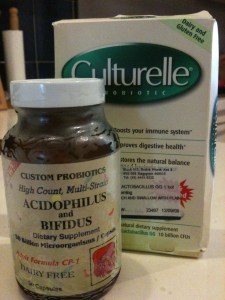
Autism – the fastest growing developmental disorder in the world. 1 in 45 children are diagnosed with autism. A person with autism face challenges in speech and communication, behavioural issues and socialisation. Many people with autism also present many health challenges such as food sensitivities, digestive issues, impaired detoxification, nutritional deficiencies and more.

Glutathione – pronounced “glue-te-thai-on”. A powerful antioxidant.

So what does autism, glutathione and Star Wars have to do with each other you ask?
In her book Healing Our Autistic Children – A Medical Plan for Restoring your Child’s Health, Dr Julie Buckley calls most antioxidants the Jedi Knights in the metabolic sense. However, she calls glutathione Yoda. As many Star Wars fans know, Yoda is the legendary Grand Master of the Jedi Order and can do many wondrous things.  My Star Wars fan hubby was duly impressed with the analogy. As he would put it, glutathione is Yoda whilst MB12 is Obi-Wan Kenobi. To date, we haven’t decided what Luke Skywalker is…….

By now, most of us have read and heard about the importance of glutathione. Glutathione levels is something that most biomedical doctors are concerned about. Glutathione (GSH) is a powerful antioxidant, it is the key detoxificator in our body.  It plays a fundamental role in numerous biochemical and metabolic functions. Most chapters in biomedical books or topics in biomed conference stresses the importance of glutathione. Children with autism either have too little of it or the subset of kids who do have adequate levels of glutathione are not utilizing it into the proper detox pathway, instead it goes on to be utilized for other functions. Some children also have adequate levels of GSH, but their toxin load is so high that it’s just not enough. Most children on the autism spectrum need glutathione support, either by supplementing it directly or by enabling the body to produce more. Oxidative stress, damage from heavy metals, immunological and metabolic disorders are common culprits of lowered glutathione production and depletion. Glutathione is a topic close to our hearts namely due to the heavy metal and environmental toxin load that is commonly found in our kids and the high need for an efficient detox and methylation pathway.

According to her OATS (Organic Acid Test), my eldest daughter Mei had impaired detox markers and low levels of glutathione. Our second round of OATs done a year later showed marked improvement overall. This also commensurate with better cognitive function, enhanced skill sets, reduced behavioral challenges, improved fine and gross motor skill, age appropriate language skills and immense reduction in Autistic traits overall.

We raised Mei’s glutathione levels directly by transdermal lotions as well as supplementing with N-Acetyl Cysteine (NAC). NAC is the precursor to glutathione, it is commonly prescribed by biomed doctors. A small subset of children don’t do well on NAC as it does have a tendency to increase yeast. In some children, it tends to raise their sulfur levels. For us, we did not experience any obvious side effect from NAC. Even though it is known to cause yeast flare-ups, it wasn’t a big deal for us because we were constantly battling yeast anyway, so what’s a little bit more yeast right? Our biomed doctor put both my girls, Mei and Min Min on NAC almost immediately, we used it for 1.5 years. We no longer use it now as Mei’s glutathione levels are fine.

Supplementing Glutathione
Depending on your child’s unique health issues, there are several methods of supplementing GSH- oral, transdermal, suppository and intravenous;

1. Oral glutathione supplement is used widely, however it may affect the gut and cause yeast overgrowth. It is also not as well absorbed compared to other types of supplementing GSH. All of my biomed doctors did not recommend oral GSH for both my daughters due to their own unique issues.

2. Transdermal ie. creams are quite popular because it is easy to administer and relatively affordable.  Glutathione lotions are easily available from many supplement providers. I have tried over the counter as well as specially compounded, personally I don’t see any obvious difference, but I do like trying different brands and rotate. For my 2nd daughter Min MIn, her American biomed doctor ordered a compounded glutathione lotion from a well-respected speciality compounding pharmacy. The compounded glutathione came in a double vial, with an activator as well as the glutathione. Many believe that the activator enables better absorption. It is slightly more expensive, you do need ask your doctor to order it specially for you.

3. Suppository- this is a popular choice amongst some biomed doctors in Asia. It is more readily absorbed and comes in higher dosages. These need to be prescribed and specially ordered compounding pharmacies. These can be quite expensive, they have a short shelf life, dosage is according to body weight and frequency is usually once a week. Some children do well with glutathione suppositories and some do not. We were quite excited to try this out, unfortunately Mei had a negative reaction almost immediately after administering it. Within 1 hour, her temperature shot up to 40 degrees Celcius. I believe it was just too much for her. Lesson learnt. I don’t think it is possible to predict which child will react well to them, we can only try and observe. Some children who are doing chelation (heavy metal detox) also use specially compounded DMSA suppository combined with glutathione.  It is interesting to note that glutathione suppositories are not popular in most countries. 

4. Intravenous (IV) glutathione is a popular choice in certain countries such as the USA. At some clinics, patients can receive intraveneous glutathione infusions. This provides the best absorption, however the potency or effectiveness is for a shorter period I believe.

Glutathione Inducers
I spoke to the legendary Dr Sidney Baker about other forms of glutathione supplementation. I explained that IV glutathione is not available in many parts of Asia. I asked which was better, transdermal or suppository? Dr Baker replied that in his opinion, he much preferred inducers of glutathione rather than supplementing it. He highly recommended N-Acetyl Cystein. He also mentioned that several foods also helps with glutathione production.  Broccoli sprout extract, turmeric, curcumin (an extract of turmeric), Vitamin D, dark chocolates, most foods with strong or interesting taste are said to be glutathione inducers.
One biomed doctor gave me a quick tip to determine whether we had adequate glutathione levels- if your urine does not smell strongly after eating asparagus, this may be a sign that you do not have adequate levels of glutathione. Thus, if you eat asparagus and afterwards your urine stinks, then your liver and detox system is probably fine. However, this is not a definitive test, merely a simplistic DIY self-evaluation. Some people can still have adequate levels of glutathione yet are not utilising it metabolically.


What To Expect
When we supplement with glutathione, it works on a more cellular level. Increasing the body’s glutathione levels either by supplementing it directly or by inducing better production by NAC or food inducers will improve the detox function. However we do not expect to see any behavioral improvements or reduction in autistic traits. The basic principle is that more glutathione is needed to detox effectively, a better detox function enables the body to flush our toxins, a body with less toxic burden is healthier, a healthy body equals healthy mind.
Glutathione is not an autism treatment per se, ultimately it seeks to lower the toxic levels in our bodies, thus enabling better health for our children. It is important to remember how crucial glutathione production is in our biomedical treatment protocol. Treating oxidative stress, lowering the toxic burden and improving the nutritional status also helps towards glutathione production.
What Affects Glutathione Levels?
Panadol (paracetamol) or commonly known as Tylenol in the USA, decreases glutathione levels markedly. Judicious use of Tylenol should be observed, however we need to keep in mind how it affects glutathione. On occasions when you do need to use Tylenol, it is best to remember to keep glutathione levels up. On the other hand, ibuprofen is another popular choice for fever or pain management. Ibuprofen does not decrease glutathione levels. However, with any pharmaceutical drug, there are also other issues to consider when deciding which medication to use.
My children and I have not used any fever medications for several years now. I prefer to support the body during times of illness with homeopathic remedies, essential oils, healing foods, herbal and natural remedies.
Many babies and young children are advised to give Tylenol before or after a vaccination shot. Being the concerned parents that we are, we wanted to save our kids the pain of the injection. Unfortunately, now we know that by giving Tylenol, the glutathione levels drop drastically, right smack during the time when our babies need them the most. By reducing the glutathione levels, our kids are left with very little detox support. Right when they are hit with the multiple viruses and heavy metal load.
Many children receive vaccinations as well as Tylenol almost simultaneously, and yet never end up with autism or other vaccine-induced injuries or disorders. However, these are the genetically and physically lucky ones who have better metabolic, mitochondrial and detox function and is able to take the multiple hits that vaccinations give. There are many causes for autism. Vaccinations, viruses, Lyme disease, environmental toxins and pollutants, pesticides, GMOs, genetics, food allergies, GI disorders, mitochondrial and metabolic disorders to name a few. For my children, glutathione support is important metabolically and played a part in their recovery from autism.


We only tried the glutathione suppository once, Mei did not react well to it, so I continued with the lotion. I used glutathione lotion on Mei and Min Min every night for 1.5 years, the girls love their nightly massages before bedtime. They were calmer due to the gentle, soothing strokes and we make it a special moment between mother and daughter.


Keep the glutathione levels up guys! We all need a little bit of Yoda in our lives. We’ll be eating asparagus, broccoli sprouts and turmeric for dinner with dark chocolates for dessert tonight followed by the Star Wars movie marathon:-) May the Force be with you……


About Spectrum Mum in Malaysia – Marissa is a mother of 2 children who are recovered from autism. She is the co-founder of Brightstars – Life Skills for Exceptional Kids, a holistic school for children with autism, ADHD and learning challenges in Kuala Lumpur. Marissa is the co-author of Autism Beyond The Spectrum and Vice-President of The Thinking Moms’ Revolution, an autism advocacy movement based in the USA. In 2009, she founded KL Biomed, a support network for parents with children affected by autism and related disorders in Malaysia and neighbouring countries in Asia. Marissa is a blogger, autism advocate,  passionate about nutrition and natural health. Her blog Spectrum Mum In Malaysia is inspired by her children’s journey and experience in recovering from autism. She lives in Kuala Lumpur, Malaysia.

>Nordic Naturals in Malaysia

>

Nordic Naturals is now available in Malaysia. It is sold at Bebehaus stores in Bangsar Village 1, Mont Kiara and 1 Utama. They also accept online orders and can ship within Malaysia and internationally. Please contact them directly for the types of Nordic Natural’s range of fish oil and flavors they carry at www.bebehaus.com The product is not listed in their website but it is definitely available in their stores. They carry limited stock so please call them directly beforehand.

Nordic Naturals fish oil is certified pure and mercury-free. At the DAN conference in April 2010, many parents questioned about whether they were soy-free. We were assured by DAN speakers on stage (I think it was Dr Sid Baker or Dr Jon Pangborn) that it is GFCF and soy free compliant as the soy derived ingredients does not actually include soy proteins. 
Fish oil and cod liver oil contains Omega 3, an Essential Fatty Acid that contains DHA and EPA. The benefits to supplementing with EFAs are enormous, not just for children with Autism but for everyone too. Our bodies do not produce EFAs, it is  obtained from food sources such as fish. For most people, we benefit in a diet high in fatty fish, olive oil and eggs as they provide high amounts of EFAs. However in Autism, our children have problems converting the EFAs from food into the form that is necessary for many biochemical reactions. Unfortunately, certain fatty fish are also known to contain high amounts of organic mercury. And many children on the Autism spectrum also have allergy or intolerance to eggs. Thus, the need for a pure, mercury-free source of fish oil is very important. 
Fish oil is one of the first supplements to start on in biomedical treatment, nearly all ASD children will benefit from high doses of Omega 3. Take note that Omega 6 and 9 should be taken in moderation if at all, the balance ratio of Omega 6 to Omega 3 should be closely monitored. Most children only need Omega 3. There are many certified mercury-free fish oils such as Kirkman’s, ProThera (parent company of Klaire Labs), EyeQ and Nordic Naturals to name a few. You can also buy them online from the online shops listed on this site. However, for Malaysian parents who are not able to purchase them online from overseas stores, please contact Bebehaus to enquire about Nordic Naturals. 
Personally, we have used Efalex (a locally available fish oil, though not certified mercury-free), Kirkman’s Cod Liver Oil, several different formulations of Nordic Naturals and Eicosamax Omega 3 from ProThera. We have also used Evening Primrose Oil instead of fish oil for a brief period as it has a calming effect. Currently, my girls prefer the taste of Eicosamax Liquid by ProThera. Fish oils are available in liquid, gel capsules and chewables in many flavors. Depending on your child’s age and ability to swallow, there are many choices out there for every one. Some children show almost immediate improvement on Omega 3 supplements, however some don’t. Both my girls do not seem to show any obvious improvements however this is an important supplement in our biomedical treatment and we give them fish oil every day. We also believe that EFAs were crucial in reducing the girls’ inflammation and oxidative stress.
My husband and I also  take fish oil capsules daily to improve our health and mental abilities. I don’t think it has made us any smarter, but we do feel better knowing that we are doing all we can to keep depression at bay and to prevent Alzheimer’s. Another plus is that my skin and hair are not as dry as it used to be. No more patchy dry skin and frizzy hair!
Please read this inspiring article on fish oil and Autism, hopefully you too will experience the same in your child. http://healthfreedoms.org/2010/02/02/how-fish-oil-unlocked-my-autistic-son/


>Clostridia, Flagyl & Culturelle….

Clostridia are anaerobic bacteria which exists naturally in our gut. There are many species, some are not harmful though overgrowth of certain clostridia species has many negative impact on the human body. Clostridia overgrowth produces harmful byproducts, clostridia are also spore-formers. Due to several reasons, clostridia overgrowth is also common in certain children with Autism. Clostridia is not easy to test, it requires specialised labs with oxygen free environment to test for it. Our favourite CSA (Comprehensive Stool Test) by Doctor’s Data also tests for Clostridia. Both Maya and Yasmin’s stool test has confirmed clostridia infection at one time or the other. Depending on the severity from 1+ to 4+ (1 being the lowest, 4 being the highest) you can choose to treat it in different ways. An experienced GP or paediatrician can also diagnose it based on clinical symptoms and physical examination.  Depending on your doctor’s personal preferences and priorities with infections over other issues, the doctor may or may not choose to treat it.

However, for those who know me well, fighting infections are always a big priority for me. I am also blessed to have a doctor who supports me and shares the same goals and priorities. Namely because any type of infections has such a profound effect on my children’s behaviour. Apart from the health point of view, addressing yeast/ fungal infections, bacterial infections, clostridia, parasites and viral infections are high on my list for treating behavioral issues and developmental delays. Depending on the child, my girls have exhibited the following behaviors, all caused by either one of the infections- tantrums, aggression, meltdowns, crankiness, irritability, shouting, hyperactivity, non-compliance, echolalia, lack of focus and poor appetite to name just a few. Though there are many reasons for tantrums, meltdowns and all of the above behavior, when it is related to very high bacterial or clostridium infections, the tantrums and aggression are amped super-high. After some time, we knew whenever Yasmin had a bacterial infection. And we definitely knew when she had a clostridia infection- she would shout and her voice was always super loud. Even her normal speaking voice was like a megaphone. For Maya, clostridia causes aggressive behaviour, OCD, hyperness and rigidity.

Apart from the behavioral issues, infections also comes with other unpleasant physical symptoms such as diarhhia, constipation, bloating, foul smelling abnormal stool, tummy ache, night awakenings, poor appetite and many others. Not every child may present the same set of symptoms as my girls. Many parents tell me that though their CSA test result shows high bacterial, yeast or clostridia levels, they can’t distinguish or notice any behaviors or symptoms related to the infection. However, their child still exhibit many Autistic traits or behaviors. However, I hope that by treating the infections, it will lessen the Autistic symptoms.

Treating yeast, bacterial, clostridia, parasitic or viral infections does not necessarily mean treating Autism and it’s symptoms. However, you are treating and addressing your child’s health issues, it will enhance his quality of life. Our children  deserves good health just like any other child, Autism or not. Infections causes many pains and discomfort, addressing it will lessen your child’s pain and enable him to feel and think better.

Clostridia is commonly treated with Flagyl (metronidazole, the generic version is Norzol) an antibiotic specific for anaerobic bacterial infections. The course ranges from 3 days to 2 weeks, a main-stream doctor will usually prescribe 3 days of Flagyl, though a biomed doctor will prescribe 2 weeks for a child with ASD. Depending on the child, some children respond well to Flagyl, though some may not.

You can also treat clostridia with Culturelle. Culturelle is the brand name for Lacto GG, a strain of probiotics that are particularly effective against clostridia. It is said that Lacto GG is the most researched probiotic in the world. Best of all, Culturelle is also casein-free, compared to other brands of Lacto GG. Some children react better to Culturelle compared to Flagyl. Dr William Shaw, founder of Great Plains Lab, who is also a highly-respected biochemist in the biomed world, finds that Culturelle is more effective in addressing clostridia long term compared to Flagyl. He believes that treatment by Flagyl alone results in 100% recurrence in clostridium infection. However, by either using Culturelle alone or in combination reduces the recurrent infections tremendously. Reason being, clostridia is a spore-former, therefor Flagyl is not effective against the spores itself, only on the bacteria. The spores are the guys that reproduce and make more ‘baby clostridias’. Thus it would make sense to have a treatment protocol that address both the bacteria AND the spores. Please sign up to the Great Plains newsletter at www.greatplainslaboratory.com . You will also receive a free e-copy of Dr William Shaw’s book Biological Treatments for Autism & PDD, a staple in every biomed home.

Some children experience terrible die-off symptoms either from Flagyl or Culturelle or both. Some parents are happy to see bad die-off, thinking that it means it is killing the infection effectively. I would like to dispel that myth, some die-off can be expected. But really bad die-off is not good. It means that the body’s detox system is overloaded, that they are not able to detox or flush out the by-products effectively. At this point, please consult your doctor, you may need to reduce the dosage. On the other hand, no die-off or very mild die-off doesn’t necessarily mean that it is not working. Just count yourself lucky. Remember, if the child seems in a lot of pain, terrible discomfort, not able to sleep for many nights, really bad diarrhoea, continuously crying and mega tantrums, it is a sign to take it down a notch. Activated charcoal, Alka Seltzer Gold and Epsom Salts baths helps to reduce the die-off.

On the other hand, there are some parents who are so fearful of possibly bad die-off, that they prefer to not address the infections. Fungal / yeast, bacterial and parasitic infections causes terrible itch, pain and discomfort in the tummy, bowels, skin, genitals and anus. Please, don’t be put off by the die-off horror stories. If you yourself have ever had a yeast infection, you know how horrific it is to live even 1 day with the itchy scratchy pain in your nether regions, so imagine if it is a systemic yeast infection in your child, imagine the pain and discomfort he is experiencing. If you fear the die-off, consider that the treatment is only for a couple of week, after which you child will be left feeling a whole load better, pain free and itch free. 2 weeks of tantrums and sleepless nights compared to a life-time of happiness. Don’t let your own fear hold your child back. Don’t let your own fear of sleepless nights or dealing with tantrums deny your child the medical attention he needs. If you do decide to take the plunge, and if the die-off is too unbearable, remember that you always have a choice to reduce the dosage or stop it altogether. Having activated charcoal on hand helps. A
t the very least, you can tell yourself that you tried your best for your child.

For my girls, I have tried Flagyl and Culturelle, both singularly or in combination. We have done Flagyl for 2 weeks, then followed by Culturelle at a maintenance dose. I have also done only Culturelle at a therapeutic dose for 3 weeks, then reduced to a maintenance dose. Both have been effective for us, the incidents of recurrence have been manageable provided that we always include a maintenance dose of Culturelle daily. There was a time 2 months after Yasmin’s last Clostridium infection which we treated with Flagyl followed by Culturelle, we ran out of Culturelle. After 3 days of missing it, all the symptoms came back with a vengeance. The shouting and tantrums, poor appetite, night awakenings and severely bloated tummy points to clostridia again. Based on our doctor’s advice, we put her on a therapeutic dose of Culturelle. It did the trick, after the first week, we could see a reduction in the behaviours and physical symptoms. Since then on, I made sure we never ever ran out of Culturelle again.

There were times that therapeutic dosage of Culturelle was not enough and we had to resort to the Flagyl/ Culturelle combo again. But for us, maintenance is the key. Without daily dosing of Lacto GG, the highly opportunistic clostridium WILL come back. Also, we made sure that the girls get high doses of multi-flora probiotics post antibiotic treatment. My current favourite probiotics are Custom Probiotics CP-1. It is 50 Billion CFU, it is casein-free and strep-free multi-flora combination of Lacto and Bifido strains. I also supplement with S.Boulardii as it is also helpful with the fight against dysbiotic flora. If you have a child who is prone to recurrent infections like I do, addressing the immune system imbalance concurrently is a must.

Flagyl is a prescription antibiotic, you can get it from your prescribing doctor. Culturelle comes in 1 Billion or 10 Billion CFU, I always make sure I get the 10 Billion CFU ones. Culturelle is usually stored and shipped unrefrigerated, it comes in specialized foil packaging that protects it during transport. However, it is always recommended to store all probiotics including Lacto GG in the refrigerator once you receive your shipment to ensure potency. Culturelle is available at www.iherb.com, www.spectrumsupplements.com, www.b2bdiet.com.sg and autismrecovery.com.sg.  You can purchase Custom Probiotics at www.customprobiotics.com. All the above stores delivers to Malaysia.

A friend reported that her child was diagnosed with anaerobic bacterial infection by her peadiatrician. Based on clinical symptoms and physical examination, he prescribed a 3 day course of Flagyl. I spoke to her about Culturelle and once the course of Flagyl was finished, she put her child on a therapeutic dose of Culturelle. Funnily enough, the 3 day course of Flagyl didn’t seem to cause any die-off nor improvements in her child. However, on the 2nd day she was on Culturelle, her daughter experienced die-off behaviours- irritability, crankiness, fatigue, non-compliance and poor appetite. Take note that this is a neuro-typical child with absolutely no Autistic symptoms.

Finally, her daughter did a massive bowel movement. My friend couldn’t believe how much came out of her child, to the point that she insisted that her husband and the maid look at it. They feared the toilet bowl was going to overflow, gross yet fascinating, they couldn’t look away. She was so concerned for her child, yet the texture and appearance of the stool was normal, the only abnormal thing about it was the amount. It seemed more than even an adult could produce, much less a skinny 5 year old child. However, right afterwards, her child said to her that she felt much better. She then was ready to eat and had a healthy appetite again. It is amazing how quickly a child bounces back. Since then on, she is a big believer in Culturelle. This is a gross story, but something only a biomed parent can appreciate. In fact, when my friend called me about it, she was so amazed by what happened on that day and she knew that I was the only person who would appreciate such a story. And yes, I did.

>My Top 10 Favourites……

>

There are several supplements and treatments that come high on my list of favorites. Every parent has their own list, it differs from child to child. I would like to share what were the top supplements and treatments that have made the most impact in my children.
This is a list of our Top 10 favourite treatments;
      1.    Methyl B12 – Maya showed amazing leap in language abilities. After reading up on the benefits of B12 and the many types of administering, I decided straight on that I wanted that is proven to be the most effective ie the methylated form of B12 ie. Methylcobalamin.  Extensive studies have shown that subcutaneous injections of methyl B12 to be far superior to other forms eg. Transdermal, nasal or oral. Though we were horrified at the thought of injecting our girl almost daily ourselves, we keep repeating the mantra “A few seconds of pain, a lifetime of happiness” every time we did it. It has been 1 years since we first started, and we will continue to do so as we still notice a difference on the days that she misses a shot for a day too long. We are now doing preservative-free MB12 at 0.05ml 3 x weekly. Take note that MB12 needs to be done as a part of an intensive biomedical protocol, it is not a 1st tier supplement and you need to consult a Biomed doctor as to whether it is appropriate for your child and when is the best time to introduce this. MB12 is available from specialist compounding pharmacies, please order it through an experienced DAN doctor. Other doctors may not know the difference between the other types of injectable B12s. Also, MB12 must be introduced at the appropriate time, you must work towards prepping the body for it. Otherwise you either end up with no improvements at all or worse, more hyperness. It is available in either pre-filled syringes or in vial form. I prefer in vial as it is a lot more cost effective compared to pre-filled syringes.
2.    Diet – gfcf, egg free, soy free. We did a period of low-sugar for 6 months, that helped a lot in reducing the yeast overgrowth. We only tried corn-free and low salicylates diet 9 months after starting intensive biomedical, but by that time Maya had made tremendous progress. So any benefit if any seemed inconsequential. Subsequently after 2-3 months trial, we went back to the normal GFCFSFEF diet. For now, we still continue the GFCF diet though on special occassions with occasional gluten allowed. Even until now, we noticed almost immediate behavioural regression whenever she has casein.
3.    Probiotics – we do high dosage multi-species casein-free, strep-free, refrigerated probiotic formulations. Dosage ranged from 20-100 Billion CFU depending on what protocols we were doing at that time. Our kids need high doses of many types of Lacto and Bifido strains. After some time, we found that probiotics containing strep strains eg. Kirkman’s Probio Gold and Klaire Labs’ Therbiotic Complete weren’t suitable for my girls as strep-free versions. I now rotate between Klaire Labs Therbiotic Detox, Custom Probiotics and New Beginnings Probitics. I also love Culturelle, a casein-free version of Lacto GG. This is effective in fighting clostridia. Klaire Labs products are only available through doctors, other brands can be purchased anywhere.
4.    Anti-fungals – From the very first anti-fungal protocol we did, Maya showed amazing improvement every time. It took several rounds of different anti-fungals to finally keep it under control, however from time to time we still need to address yeast overgrowth. Diflucan, Ketoconazole, Nizoral, Augmentin, Sacchromyces Boulardii and Candex are some of our favourite anti-fungals that have been particularly effective in our girls. There were others we tried, but due to the taste, we weren’t able to follow the protocol as set by our doctor. We always keep stock of S.Boulardii, I rotate between Klaire Labs and Kirkman’s. As with nearly every treatment, please consult with your doctor when implementing an anti-fungal protocol.
5.    TMG – this is a methyl donor, important in the methylation cycle which is frequently impaired in ASD children. As usual, we started at a low dosage and slowly worked up to the maximum dosage. However, we found that Maya only needed 3/4 of the dosage, 750mg seems to be the ideal amount for her. She could finally tolerate wearing clothes and was no longer agitated when wearing clothes. She was more compliant when dressing and started to wear blouses with sleeves and wearing pants. Before this, she only wanted to wear dresses with thin shoulder straps. Best of all, we saw a huge leap in potty training. You have a choice of either TMG or DMG, depending on your child’s needs, please consult a doctor on which one is suitable for your child. After trying several formulations, I prefer to stick to single formulations rather than mixed ones. You can find TMG mixed with B12 and Folinic Acid. However, some DAN practitioners do not approve of oral B12. I now use Kirkman’s TMG
6.    OSR – also known as Oxidative Stress Relief, this is a powerful antioxidant. After 3-4 months on OSR, Maya’s oxidative stress levels went down to normal range. Previously, she was “Oxidising like crazy!” as said by Dr Mark Westaway. We only used this for 4 months and during those months, Maya kept progressing and improving almost daily. OSR is available from Lee Silsby Compounding Pharmacy and can only be ordered by a doctor. In South East Asia, for the moment only Dr Erwin Kay stocks this.
7.    5-HTP – we only started using 5-HTP only a few months back. From seemingly out of nowhere, Maya started presenting negative though processes and had a lot of anxiety issues. She was very moody and obsessed with dark, spooky stories. We tried several interventions with no luck, however the moment we started her on 5-HTP, the negative thought process and anxiety disappeared. I was still sceptical, and recently w
e ran out of 5-HTP for a few days and true to form, the anxiety and moodiness returned. This is a supplement that we make sure we never run out of these days. I use Klaire Labs 5-HTP
8.    Magnesium – physical symptoms and test results showed that Maya was deficient in Magnesium. Not only that, her body seems to be excreting it quite fast compared to other minerals. Magnesium has helped her in many ways, mostly it’s calming properties ensure that she’s calmer and sleeps well. It also relieves her constipation. After trying many many formulations, we finally found one that tastes good. Most Magnesium Glycinate tastes horrid! ASD kids are recommend to take Magnesium Glycinate, rather than other forms as it is the least irritating to the gut and well absorbed. Our favourite is Kirkman’s Magnesium Glycinate Powder Biomax.
9.    Transfer Factor and Colostrum –  these are immune `enhancers’. They are 2 very different products, but both seeks to modulate the immune system by transferring the correct information to our immune system. Colostrum is bovine-derived and contains casein, however the benefits far outweighs the casein issue.  Transfer Factor is a class above Colostrum, it works rather differently.  My girls are prone to colds, flus, fevers and other infections. However when I started to use both these supplements together, we have a miraculous illness-free period for several months. Unfortunately, whenever we run out of stock, my girls get sick again. I use Kirkman’s Colostrum Gold. Dr Erwin carries Researched Nutritionals’ Transfer Factor. I am trying to source other brands of Transfer Factors as they always run out of stock.
10.  Digestive Enzymes – DPP-IV and Phenol Assist are one of the first supplements to start on. Most ASD children are very deficient in DPP-IV, an enzyme that processes casein and gluten. It also plays an enzymatic role in the immune system, though it is called by another name. Phenol Assist helps to digest phenols, oxalates and salicylates. After a long time on a strict GFCF diet and daily doses of DPP-IV and Phenol Assist, late last year, we went on holiday. We allowed both girls to have all the gluten, casein and junk food they want. We also made sure they have lots of DPP-IV and Phenol Assist. Neither girls had any bad reactions to the lapse in diet. I use Kirkman’s Enzyme Complete DPP-IV with Isogest and Kirkman’s Phenol Assist. I have tried other formulations, but the girls didn’t like the taste of them eg. Trienza, No-Fenol. So, we continue with what works for them and what they can tolerate the taste of regularly. Digestive enzymes cannot replace the importance of a strict GFCF diet, as well as restrictions in oxalates, phenols and salicylates. 
There were a lot more supplements we have tried, on any given day, my girls take an average of 20 supplements daily. And throughout the years, we have tried supplements that have given us amazing results, as well as those who caused the worse regressions. Though biomedical intervention done well is backed by evidence-based medicine, research and through testing, at times we will not know how well a child will respond to the treatment until we actually try it. What may work for my child may not work for yours. Please work closely with an experienced biomed doctor, first and foremost keep your child’s health and safety in mind, keep yourself educated, keep track and monitor each and every day. Most of all, keep a positive outlook. Good luck!

>Treatment Protocol Plus A Dose of Fun

>

With every treatment or supplement we do, we always do it with the advice of a medical doctor. We follow the set protocol and usually get 2nd opinions on nearly everything. I don’t try out anything without a doctor’s recommendation or advice, I am very conservative and like to go slow and steady. I never start more than 2-3 new supplements in 1 month. I always start at a low dose and slowly work up to the recommended dosage. We keep meticulous record of everything we do and keep track of any side-effects, bad reaction or improvement made with each supplement or treatment. Though a lot of parents are brave and bold enough to implement a treatment or do biomedical treatments without the guidance of a doctor, I’m quite conservative. Slow, safe and steady has been our approach and so far, it has served us well. To a lot of other parents, my approach is very slow and far too conservative for their liking. However, we all have our trusted methods, this so called “slow” approach has given us tremendous progress. This is a brief overview of our treatment plan since we started biomedical treatments.

As you may know, we started on the GFCF diet and didn’t pursue biomed for another 6 months. Once we started intensive treatment, sleep and constipation was high on our list of priorities. Then I wanted to address Maya’s other gut issues. Next, we started on our first round of anti-fungal treatments, this is one of her biggest problem. At the same time, we addressed her oxidative stress. We then addressed her inflammation as well as implemented a biofilm protocol. After that, we worked towards prepping her for MB12. We finally found the right dosage and frequency for MB12 and saw amazing results.

We have done several tests at different points in time, some more than once depending on the need. We tried an anti-viral treatment with good results, but we couldn’t pursue it further for the moment and had to be put on hold. We then concentrated on her methylation cycle – all the methyl donors eg Taurine, N-Acetyl Cystein, Folinic Acid, TMG and MB12 worked amazingly well for her. Each supplement showed good reactions; Maya was calmer, there was a sudden leap in clarity, cognition and language. We continuously had to address yeast overgrowth from time to time. We were also working towards balancing her immune system. We also investigated strep for possible PANDAS (Paediatric Autoimmune Neurological Disorder Associated with Streptococcus) though thankfully this turned out to be negative. Her long-term issue with dressing and wearing clothes were addressed, as well as finally able to toilet-train.

From time to time, some new issues would come to the fore such as her negative thought process and recurrence of anxiety and controlling behaviour. This was resolved quite quickly with the help of our doctors. Currently, we are prepping her for chelation and have just done the pre and post challenge test with showed a good excretion rate. Recently we did another round of the RBC (Red Blood Cell) test which tells us the levels of minerals, this is by far the most accurate test for mineral levels. We also did the kidney and liver panel again as well as viral panel to test for a range of viruses.

As always, for every treatment we have done successfully, there are always several supplements or treatment that were either ineffective or worse, caused regression. However, by only introducing one new supplement at a time and close monitoring, we were able to quickly identify the cause and immediately address it. At times, there were regression due to illness or side-effect from certain treatments, however each and every single time she always recovers the skills and progress made and comes back to the level where she was previously. There are shelves full of half-opened bottles of supplements that we no longer use, though it seems like a waste of money, we would never have known if those supplements or treatments would have worked for us or not. Looking back, we tell ourselves that we tried it. Some treatments have shown amazing results, but as with life, sometimes failure happens. If a treatment failed, we try again and keep going forward. We try to maintain a positive outlook and try to see the funny side of things whenever possible.

Maya is recovered from Autism and no longer requires behavioural therapy or special services. However, we still continue to pursue biomedical treatments to address other lingering health issues. Our challenges for this year will include addressing her heavy metal load especially mercury and will start chelation with DMSA very soon. We will investigate further into viral infections and we continually seek to address her immune dysfunction. Occasionally, she is prone to colds, flus and fevers.

Maya is a happy little girl who is thriving well at school. She has lots of friends and enjoys the same activities as other little girls. She has taught herself to play simple songs on the piano and loves ballet classes.  Maya  has a great personality and has the same sense of humour as her daddy. They have great fun and adventures together and you can frequently hear them giggling and laughing over some private joke together.